techpeople
Education • Gaming • Science & Tech
Best English Dubbed Movies to Watch in 2025 - Watch on DOD
April 21, 2025
post photo preview

If you love high-octane action, spine-chilling horror, or epic adventures, Dimension on Demand (DOD) is your go-to platform for the best English dubbed movies. DOD brings you an incredible selection of international films, fully dubbed for an immersive experience in your preferred language. Whether you crave adrenaline-pumping fights, bloodcurdling monster attacks, or thrilling war sequences, there's something for every movie buff.

This year, three must-watch titles stand out—Tiger Plague, Bugs, and Storm Warriors. These films deliver intense action, gripping storylines, and stunning visuals, making them top choices in English dubbed movies. Let’s dive into what makes each film a must-watch!

Tiger Plague – When Nature Strikes Back!

In Tiger Plague, a renowned Feng Shui Master decides to construct a tiger arena in the heart of the capital. However, things take a horrifying turn when a mysterious virus infects the animals, transforming them into bloodthirsty mutant tigers. As the city descends into chaos, the survivors must battle against all odds to stay alive. With its gripping storyline and intense action, this film is a must-watch for fans of English dubbed movies that deliver both thrills and suspense..

Jianing Hong delivers a gripping performance as a determined scientist trying to find a cure, while Ning Jia plays a fearless journalist uncovering the dark secrets behind the outbreak. Qingling Jin brings intensity to the role of a government official racing against time to contain the disaster before the city is entirely consumed. Their performances elevate the tension, making every moment electrifying.

ThisEnglish-dubbed movie stands out for its stunning visual effects, nerve-wracking action sequences, and engaging storyline that keeps you on the edge of your seat. If you love apocalyptic thrillers with a unique twist, Tiger Plague is a must-watch!

Why This Movie Stands Out:

  • A gripping mix of action and drama, packed with jaw-dropping visuals.
  • Intense survival sequences that keep you on the edge of your seat.
  • A fresh take on monster mayhem with a unique cultural twist.

Bugs – When Science Goes Wrong!

Set in a near-future world, Bugs follows James, a brilliant geneticist played by Yunjin Cao, who develops superbugs to provide a cheap protein source for the masses. However, his groundbreaking research takes a dark turn when the bugs begin reproducing uncontrollably, evolving into terrifying creatures that crave human flesh. With its mix of horror and dark comedy, this film is a standout choice for fans of English dubbed movies that blend sci-fi thrills with spine-chilling suspense.

Sphinx Ting plays an investigative journalist who discovers the horrifying truth behind the failed experiment, while Chuan-jun Wang takes on the role of a desperate scientist trying to stop the outbreak before it’s too late. Their performances add depth to this sci-fi horror comedy, blending tension with moments of dark humor.

A mix of satire and nail-biting terror, Bugs is one of the most unique English dubbed movies of the year. With its eerie visuals, sharp storytelling, and unexpected twists, this film is entertaining and thought-provoking.

Why You Can't-Miss This Movie:

  • A perfect blend of science fiction and horror, with dark comedic moments.
  • Terrifyingly realistic CGI bringing the mutant bugs to life.
  • A terrifyingly entertaining English-dubbed horror film blending thrills and laughs.

The Storm Warriors – The Battle for Survival!

Epic battles, stunning visuals, and legendary warriors come together in The Storm Warriors, an action-packed adventure film that takes martial arts fantasy to the next level. The story follows Wind, played by Ekin Cheng, and Cloud, played by Aaron Kwok, as they unite against a ruthless Japanese warlord attempting to conquer China. With its breathtaking fight sequences and gripping storyline, this film is a must-watch for fans of English dubbed movies who love high-energy action and epic heroism.

Nicholas Tse plays an enigmatic swordsman with his own motives, while Kenny Ho takes on the role of a wise master guiding the heroes in their quest. Their performances add depth to this visually striking film, blending intense sword fights with rich storytelling.

A must-watch for fans of martial arts epics, Storm Warriors delivers breathtaking battle sequences and a powerful narrative. If you love larger-than-life heroes and high-stakes action, this English-dubbed movie will keep you hooked from start to finish!

Why You’ll Love This Movie:

  • Spectacular fight sequences choreographed by top martial arts experts.
  • A legendary cast bringing beloved characters to life.
  • A visually stunning, English-dubbed adventure film with breathtaking fight sequences.

Watch These English Dubbed Movies on DOD!

Dimension on Demand (DOD) is your go-to platform for premiumEnglish dubbed action movies, bringing global hits straight to your screen. Whether you love sci-fi horrors, action-packed thrillers, or martial arts epics, DOD ensures top-quality dubbing for an immersive experience.

Stream Tiger Plague, Bugs, and Storm Warriors with seamless access and high-quality audio. Don’t miss out on the best English dubbed movies available in 2025!

Conclusion – Get Ready for an Action-Packed 2025!

The world of English-dubbed film is more exciting than ever, offering audiences a chance to experience international films without language barriers. Whether it’s mutant tiger mayhem, horrifying sci-fi bugs, or legendary martial arts battles, these films bring non-stop entertainment.

With DOD, watching these movies is easier than ever. If you’re looking for top-quality dubbing, diverse content, and epic storytelling, English dubbed movies provide an immersive experience like never before. Don’t miss out on these must-watch films in 2025!


community logo
Join the techpeople Community
To read more articles like this, sign up and join my community today
0
What else you may like…
Articles
post photo preview
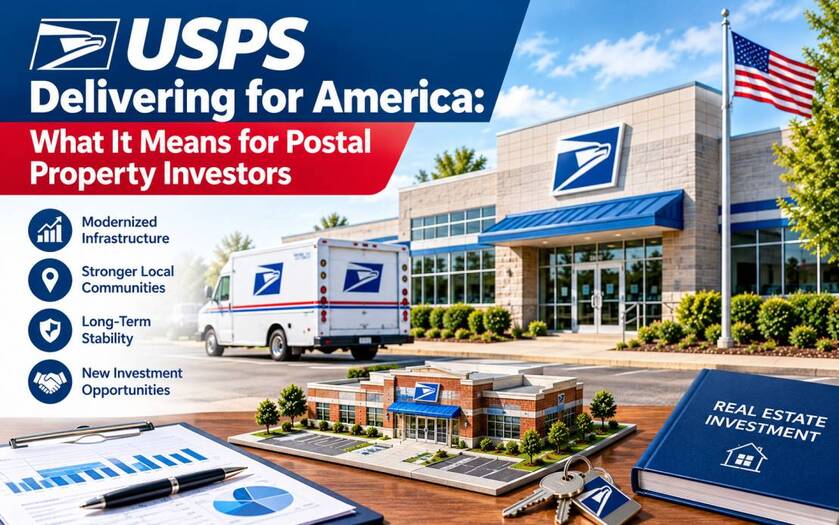
USPS Delivering for America: What It Means for Postal Property Investors
How USPS Delivering for America Is Reshaping the Postal Property Investment Landscape for Income-Focused Investors

USPS Delivering for America is not a logistics document. For real estate investors who understand how government capital commitments translate into property market signals, USPS Delivering for America is a decade-long declaration of occupancy intent from one of the largest tenants in the American commercial real estate market. The postal service leases facilities from private landlords across all 50 states, and this modernization agenda commits the agency to upgrading, expanding, and operationally entrenching itself in the physical infrastructure it uses to deliver mail and parcels to every address in the country.

That commitment changes the quality of the investment thesis for USPS-leased real estate in a specific and measurable way. Before this agenda existed, investors were underwriting postal properties primarily on the basis of historical lease renewal data and the statutory mandate of the federal tenant. Those factors remain foundational. What USPS Delivering for America adds is a forward-looking policy signal that provides a different and more durable form of evidence for long-term occupancy intent, one that sophisticated allocators should be incorporating into their underwriting frameworks today.

Why the Current Moment in Postal Real Estate Is Unlike Any That Came Before

The commercial real estate market has been in a period of significant recalibration. Office demand has contracted structurally in major metropolitan markets, and retail real estate continues absorbing the consequences of shifting consumer behavior. Industrial assets, which attracted substantial institutional capital over the past decade, have seen cap rate compression that has materially reduced their attractiveness for new deployments. In that environment, income-focused investors have moved consistently toward net-lease assets with creditworthy, operationally stable tenants whose demand for space does not fluctuate with economic conditions.

USPS-leased facilities represent one of the more clearly defined opportunities within that trend. The tenant is a federal agency with a statutory mandate to deliver mail and packages to every address in the country, a mandate that exists independently of consumer sentiment, corporate earnings cycles, or market conditions. For investors building portfolios around tenant credit quality as a primary variable, the federal character of the USPS tenancy is a structural differentiator that most other net-lease categories cannot replicate.

What makes the current moment distinct is the overlay of an explicit, published government investment strategy onto that structural foundation. Investors who previously evaluated USPS tenancy on the basis of past lease performance now have access to a forward-looking document that speaks directly to facility utilization priorities, network investment, and operational expansion. That is a qualitatively different input into the underwriting process, and its significance has not yet been fully reflected in how the broader investment community thinks about this asset class.

The Structural Qualities That Make Postal Properties a Defensible Income Category

Before examining the specific implications of the federal modernization agenda, it is worth establishing what makes USPS-leased real estate structurally distinct as an income asset. The federal tenancy is the most fundamental characteristic. The USPS does not carry private-sector balance sheet risk, and its operational continuity is backed by statute rather than corporate performance. That credit foundation is simply not replicated by most commercial tenants operating in the net-lease space, including a significant number with investment-grade ratings from major credit agencies.

Last-mile delivery facilities occupy the most operationally critical position within the postal property category. These buildings are the physical endpoints of the domestic mail and parcel network, the locations where sorted deliveries transition into individual routes reaching homes and businesses. The growth of e-commerce has deepened the logistical importance of these facilities rather than diminishing it, and that operational relevance provides a functional argument for long-term occupancy that reinforces the contractual protections within any individual lease agreement.

Lease structures in this segment also provide income characteristics that align well with fixed-income-adjacent investment strategies. Renewal options, periodic rent escalations, and long initial terms give landlords a degree of cash flow predictability that many other real estate categories cannot match with equivalent consistency. The combination of federal tenant credit, facility operational importance, and lease design creates a risk-adjusted income profile that deserves serious consideration from any allocator prioritizing stability over appreciation.

How USPS Delivering for America Translates Into Actionable Investor Insight

The practical value of USPS Delivering for America for real estate investors lies in its specificity. The agenda outlines which facility types the postal service is investing in, which operational functions it is expanding, and how its physical network is expected to evolve over the coming decade. For investors evaluating specific postal property acquisitions, that level of detail provides a framework for distinguishing between assets with strong long-term occupancy characteristics and those that carry more meaningful renewal uncertainty.

Processing and distribution facilities aligned with expanded parcel handling capacity are among the facility types most directly supported by the investment priorities outlined in USPS Delivering for America. Last-mile delivery offices serving high-volume population corridors represent another category where the modernization framework reinforces occupancy intent in ways that historical lease data alone cannot fully capture. Applying this framework to individual acquisition targets produces a more rigorous form of asset-level analysis than generic government tenancy arguments allow.

The inverse is equally important. Facilities that sit outside the operational priorities of the modernization agenda carry a different risk profile than those at its center. Investors who read USPS Delivering for America as an active research tool rather than passive background context are doing the kind of granular underwriting that separates disciplined participants in this niche from those who are simply chasing the federal tenant label without understanding what it does and does not guarantee.

What Postal Realty Trust Brings to Investors Who Want Structured Access to This Thesis

For investors seeking transparent, exchange-listed exposure to USPS-leased real estate, Postal Realty Trust (NYSE: PSTL) is the only publicly traded vehicle built exclusively around this asset category. Established in May 2019,Postal Realty Trust has assembled a national portfolio of postal facilities spanning last-mile delivery offices, mail processing centers, and dedicated postal properties across all 50 states, with an acquisition strategy informed by deep institutional expertise in USPS lease structures and the facility-level implications of the federal modernization agenda.

The exchange-listed structure provides investors with liquidity and institutional disclosure that direct postal property ownership cannot offer. Quarterly financial results are filed with the SEC, dividend history and tax information are publicly reported, and analyst coverage is available through the company's investor relations platform. For financial advisors and institutional allocators evaluating alternative income allocations, that transparency significantly reduces the information asymmetry that has historically characterized private postal property investment.

The sector purity of the vehicle is also a meaningful consideration for investors who want a clean, legible thesis. Unlike diversified net-lease REITs that hold postal properties as a minor allocation within a broader portfolio, a dedicated postal REIT provides direct, concentrated exposure to the specific investment thesis that USPS Delivering for America reinforces. That clarity has practical value in portfolio construction and in client communication contexts where the rationale for an allocation needs to be explained without qualification.

Risk Factors That Every Informed Investor Needs to Weigh

No investment thesis is complete without a candid assessment of the risks, and the postal property category carries several that investors should weigh carefully rather than dismiss on the basis of the federal tenant profile. The USPS retains statutory termination rights on its leases under certain conditions, a provision that differs materially from standard commercial net-lease termination language. Investors who assign terminal values to postal assets without reading the specific termination provisions in the applicable lease documents are accepting risk they have not fully priced, regardless of how compelling the broader investment case appears.

The long-term financial condition of the USPS also requires ongoing monitoring. Legacy obligations related to retiree health benefit pre-funding have weighed on the agency's balance sheet for many years, and while legislative reform has addressed portions of that burden, the agency's financial profile remains an active variable in long-term underwriting models. The Delivering for America agenda includes financial sustainability objectives, but multi-year institutional programs of this scale carry execution risk that responsible investors should incorporate into their analysis.

Portfolio concentration is a structural consideration as well. A real estate allocation anchored entirely to one federal tenant, regardless of that tenant's credit quality, does not provide the diversification that broader commercial real estate exposure offers. Postal properties are most appropriately sized as a yield-enhancing component within a diversified income strategy rather than as a primary or standalone allocation.

What Investors Who Take USPS Delivering for America Seriously Should Do Next

USPS Delivering for America has provided the postal property investment thesis with a forward-looking policy foundation that decades of historical lease data could not supply on its own. For income-focused investors who have been evaluating this sector from a distance, the agenda provides a concrete and publicly documented basis for engagement that is more durable than any single lease renewal or quarterly earnings figure could offer.

The structural qualities of USPS-leased real estate, including federal tenancy, essential-service mandate, long-term lease income visibility, and now a formal modernization commitment, combine to form a thesis that is both coherent and grounded in verifiable government policy. The risks are real and must be underwritten with rigor. But for allocators building portfolios around durable, government-supported income, USPS Delivering for America has made the case for this asset class more legible and more actionable than it has ever been.

Investors who want to examine this thesis in depth, including strategic documentation, portfolio details, and quarterly financial data, can begin their research at postalrealtytrust

Read full Article
post photo preview
Fall Roof Inspection Main Line PA: Why Timing Matters and What Homeowners Should Expect
Fall Roof Inspection Main Line PA | What Homeowners Need to Know

Fall roof inspection Main Line PA homeowners schedule each year is one of those maintenance tasks that sits at the intersection of genuine importance and easy procrastination. The roof performs its job quietly all summer, and as temperatures drop and the season shifts, the urgency of getting up there and checking what the warmer months left behind rarely feels as pressing as it should. The reality is that fall represents the most consequential window of the year for roof assessment across the Greater Philadelphia area. What goes undetected before winter arrives has a reliable tendency to become significantly more expensive by spring. Hynes Construction has been conducting roof inspections and completing pre-winter repairs across the Main Line for over 50 years, and the patterns of what proactive inspection prevents are consistent year after year.

Why Fall Is the Most Important Time for a Roof Inspection on the Main Line

The Main Line experiences a full range of seasonal weather conditions that create a predictable cycle of stress and recovery for residential roofing systems. Summer storms bring high winds capable of lifting flashing, shifting ridge caps, and removing granules from aging shingles at a rate that is not always visible from the ground. Heavy rain events test drainage at gutters, valleys, and penetrations in ways that reveal vulnerabilities only when water is actively moving across the surface.

By the time fall arrives in communities like Bryn Mawr, Wayne, and King of Prussia, a season's worth of that stress has accumulated on roofing systems across the area. Some of it will be obvious: missing shingles, debris accumulation in valleys, visible damage to flashing at chimneys or skylights. Much of it will not be visible without getting up and looking carefully at the specific points where problems develop before they produce interior evidence.

Fall roof inspection Main Line PA timing matters because the window between the end of summer storm season and the onset of winter conditions is genuinely narrow. A vulnerability that allows water infiltration during a November rain event behaves very differently once temperatures drop below freezing. Water that has worked its way beneath shingles, into flashing gaps, or through failed sealant at penetrations expands as it freezes, forcing small breaches into larger ones with each freeze-thaw cycle. What might have been a targeted, manageable repair in October becomes a more extensive project in February when it finally produces a visible interior symptom.

Additionally, fall is when contractor scheduling is most favorable for pre-winter work. Waiting until the first signs of a problem appear in mid-winter typically means competing for contractor availability at exactly the moment when demand is highest and conditions for exterior work are least favorable.

What a Thorough Fall Roof Inspection Actually Covers

Understanding what a properly conducted fall roof inspection Main Line PA homeowners should expect helps distinguish a genuine assessment from a surface-level visual check that misses the issues most likely to create problems over winter.

A thorough inspection begins on the ground, evaluating the overall roofline for visible sags, uneven surfaces, or obvious areas of damage visible from grade. Gutter condition and attachment are assessed at this stage, since gutters that have pulled away from fascia boards or accumulated debris create ice dam conditions that damage both the gutter system and the roofing at the eaves.

The inspection then moves to the roof surface itself. Shingle condition is evaluated not just for missing units but for granule loss, cracking, curling at edges, and lifting at seams that indicates adhesive failure. These are the conditions that make a shingle vulnerable to wind damage over winter and reduce its ability to shed water effectively. Flashing at all penetrations, including chimneys, vents, skylights, and roof-to-wall transitions, is checked for separation, cracking, or corrosion that creates pathways for water infiltration.

Valley conditions, ridge caps, and soffit and fascia integrity complete the exterior assessment. Inside the attic, a qualified inspector looks for signs of existing moisture infiltration, ventilation adequacy, and insulation condition, since attic ventilation directly affects ice dam formation and overall roofing system performance through winter.

GAF Master Elite® certification, held by only the top 3% of contractors in the United States, reflects the depth of technical knowledge that separates a genuinely qualified inspection from a basic visual walkthrough. Contractors who hold verifiable credentials from recognized industry organizations have been evaluated on their installation and assessment standards by someone other than themselves, which is a meaningful distinction when choosing who to trust with a pre-winter roof assessment.

Why Local Experience Produces More Reliable Inspection Outcomes

Fall roof inspection Main Line PA assessments that accurately identify what needs attention before winter consistently reflect one common characteristic beyond technical knowledge: the inspector's familiarity with the specific housing stock, roofing system configurations, and weather patterns of the local area.

Hynes Construction has been conducting roof inspections and completing pre-winter repairs across the Main Line and Greater Philadelphia area for more than 50 years, serving communities including Ardmore, Havertown, Radnor, Downingtown, and Bala Cynwyd. That accumulated local experience reflects genuine familiarity with the range of roofing systems found throughout the area, including the configurations common in mid-century homes, the flashing details associated with specific architectural styles, and the failure patterns that develop most frequently in response to the region's climate.

As a full-service contractor handling roofing, siding, windows, and decks, Hynes Construction approaches fall roof inspections with an awareness of how roofing system condition interacts with adjacent exterior components. Flashing transitions at dormers and additions, siding-to-roofing connections at lower roof edges, and gutter attachment at fascia boards are all points where the roofing system's performance connects to surrounding exterior elements. A contractor experienced across all of these systems identifies those interaction points more reliably than one whose scope is limited to the roof surface alone.

Their GAF Master Elite® certification confirms a standard of technical assessment and workmanship that applies to every service they provide. For homeowners comparing options forfall roof inspection Main Line PA this season, that combination of verified credentials and half a century of consistent local presence represents a meaningful differentiator when deciding who to trust with a pre-winter assessment.

What Homeowners Should Expect During and After a Fall Roof Inspection

Knowing what a well-managed fall roof inspection looks like from scheduling through follow-up helps homeowners get full value from the process and make informed decisions about any work the inspection identifies.

A qualified contractor schedules the inspection with enough lead time to complete any identified repairs before winter weather arrives. October is generally the optimal window across the Main Line, providing sufficient daylight and temperature conditions for both thorough assessment and completion of repair work before freeze-thaw cycling begins in earnest.

During the inspection itself, a thorough contractor documents conditions with photographs and explains findings to the homeowner in plain language, distinguishing between conditions that require immediate attention, items to monitor over the coming season, and areas in good condition that need no action. Homeowners should expect a written summary of findings rather than a verbal report alone, since written documentation provides a reference point for decisions about repair timing and scope.

Where repairs are identified, a written estimate specifying the exact scope of work, materials, and cost should be provided before any commitment is made. Repairs completed as a result of a fall inspection are generally straightforward and targeted: flashing re-sealing, shingle replacement in specific areas, gutter reattachment, and similar localized work that addresses identified vulnerabilities before they develop further over winter.

Making Fall Roof Inspection a Priority Before Winter Arrives

Fall roof inspection Main Line PA homeowners schedule proactively is one of the highest-value maintenance investments available for a residential roofing system. The cost of a thorough inspection and any repairs it identifies is consistently lower than the cost of addressing the same conditions after a winter of freeze-thaw cycling has advanced them further, and considerably lower than the interior damage remediation that follows when a roof breach goes undetected through an entire winter season.

The homeowners who consistently avoid winter roofing emergencies are those who treat fall inspection as a routine part of seasonal home maintenance rather than a reactive response to visible problems. That approach requires finding a contractor with the local experience, technical credentials, and honest assessment process to make the inspection genuinely useful rather than perfunctory.

For Main Line homeowners ready to schedule a fall assessment, hynesconstruction.com provides additional information about the inspection process, and the team is reachable directly at (610) 890-6379. Getting a qualified set of eyes on the roof before winter is always the right time to do it.

Read full Article
post photo preview
What Homeowners Must Know About Oil Boilers For Home Heating
Boyle Energy | Oil Boilers For Home Heating in Philadelphia PA

Every winter in the Philadelphia suburbs reminds homeowners just how important a reliable heating system truly is. For thousands of families across Delaware County and the greater Philadelphia area, Oil Boilers For Home Heating have been the foundation of winter comfort for decades. These systems deliver a level of consistent, even warmth that many homeowners consider superior to any other heating option available, and when properly maintained by a qualified service provider, they operate with impressive efficiency and durability across many years of service. Understanding what makes these systems exceptional, what they require to perform at their best, and when to call for professional help is knowledge every oil boiler owner should have before the cold season arrives.

Many homeowners who are new to oil heat or considering an upgrade find themselves wondering whether Oil Boilers For Home Heating are still the right choice in today's energy landscape. The answer, for a large portion of Philadelphia-area homeowners, is a clear and confident yes. Modern oil boilers have advanced significantly in terms of efficiency, fuel compatibility, and long-term reliability. Combined with the increasingly widespread availability of cleaner-burning heating oil blends across communities like Havertown, Springfield, Drexel Hill, and Newtown Square, oil boilers remain a smart, proven, and practical choice for residential heating across southeastern Pennsylvania.

For families throughout the region who rely on this technology, access to a qualified, experienced service provider is everything. Oil Boilers For Home Heating require specialized knowledge to install, maintain, and repair correctly, and choosing a provider without that expertise puts both the equipment and the family's comfort at risk. Boyle Energy has been serving the Philadelphia area since 1937, completing over 1,000,000 oil stops and installing tens of thousands of heating systems across Delaware, Chester, and Montgomery County. That depth of experience makes them one of the most trusted resources for oil boiler service in the entire region.

How Oil Boilers Work and Why They Remain a Top Heating Choice

Understanding the basic operating principles of an oil boiler helps homeowners make informed decisions about their heating systems and communicate more effectively with service providers when issues arise.

The Basics of Hydronic Heat

An oil boiler operates by burning heating oil to heat water, which is then circulated through a network of pipes to radiators, baseboard heaters, or in-floor radiant systems throughout the home. This method of heat delivery is known as hydronic or radiant heating, and it produces a fundamentally different comfort experience than forced-air systems.

Rather than blowing heated air through ducts, a boiler-based system warms the surfaces and objects in a room from the ground up. The result is a more even, consistent temperature throughout the living space, with none of the drafts, dry air, or abrupt temperature swings that are commonly associated with forced-air heating. For older homes across communities like Bryn Mawr, Villanova, and Wallingford, where boiler-based systems are a longstanding part of the residential heating tradition, this comfort advantage is one of the primary reasons homeowners choose to maintain and upgrade their existing systems rather than convert to a different heat source.

Efficiency Advances in Modern Oil Boiler Technology

Today's oil boiler technology represents a substantial leap forward from the systems that were installed in previous decades. Modern high-efficiency oil boilers achieve annual fuel utilization efficiency ratings that translate directly into lower fuel consumption and reduced heating costs compared to older equipment. For homeowners who are still running a boiler that is fifteen or more years old, upgrading to a current high-efficiency model can produce noticeable reductions in annual heating expenses while delivering a more consistent and responsive level of comfort throughout the home.

The fuel itself has also improved. Ultra-low sulfur heating oil and biofuel blends are increasingly available across the Philadelphia area, offering cleaner combustion, reduced emissions, and full compatibility with modern high-efficiency boiler equipment. These fuel advancements make oil heat an even more attractive option for homeowners who are thinking carefully about both cost and environmental responsibility.

Top Warning Signs Your Oil Boiler Needs Professional Service

Recognizing the early warning signs that an oil boiler system needs professional attention is one of the most valuable habits a homeowner can develop. Catching problems early leads to simpler repairs, lower service costs, and the prevention of complete system failures during the coldest periods of the year.

Unusual Sounds During Operation

A properly functioning oil boiler should run with a relatively steady, consistent sound. Banging, clanking, rumbling, or persistent gurgling noises during operation are signals that something within the system is not functioning correctly. These sounds can point to air trapped in the system, issues with the circulator pump, burner problems, or pressure irregularities. None of these conditions should be ignored, and all of them benefit from prompt professional evaluation.

Uneven Heat Distribution Room to Room

When some rooms in the home feel noticeably warmer or cooler than others despite consistent thermostat settings, the boiler system is not distributing heat evenly throughout the property. This condition can result from air pockets trapped in the system, malfunctioning zone valves, circulator pump issues, or control problems. Uneven heat distribution is both a comfort issue and an efficiency issue, as the system works harder to compensate for the imbalance, consuming more fuel in the process.

Rising Fuel Bills Without a Clear Cause

An unexplained increase in heating oil consumption is one of the clearest signs that an oil boiler is operating below its designed efficiency level. When a system requires more fuel than usual to maintain the same temperature, something is preventing it from converting that fuel into heat as effectively as it should. A professional tune-up and inspection can identify the root cause and restore the system to optimal performance, often producing an immediate and noticeable improvement in fuel economy.

Visible Deterioration or Persistent Ignition Issues

Rust, visible corrosion, leaks around pipes or fittings, and recurring problems with ignition or pilot systems are all indicators that professional evaluation is overdue. Older systems displaying multiple signs of wear may be approaching the end of their practical service life. A qualified technician can assess the overall condition of the system and provide an honest recommendation on whether targeted repair or full replacement represents the better long-term investment for the homeowner.

What a Professional Oil Boiler Tune-Up Covers

Annual professional maintenance is the most cost-effective step any oil boiler owner can take to protect their investment, maintain efficiency, and ensure safe operation throughout the heating season. A comprehensive tune-up from a certified oil heat technician covers every critical component of the system in a systematic, thorough way.

Burner Cleaning and Combustion Analysis

The oil burner is the engine that drives the entire system, and its condition directly determines how efficiently the boiler converts fuel into usable heat. A professional tune-up includes cleaning all burner components, inspecting and replacing the nozzle and fuel filter as needed, testing ignition performance, and conducting a formal combustion analysis to verify that the system is burning fuel at its maximum possible efficiency. This single step alone often results in measurable fuel savings over the course of the heating season.

Safety Device Inspection and Testing

Every oil boiler is equipped with multiple safety controls designed to prevent dangerous operating conditions. A qualified technician will test all safety devices during a maintenance visit, verify that pressure relief valves are functioning correctly, check aquastat and thermostat calibration, and confirm that all system controls are responding as designed. These checks are not optional. They are the fundamental baseline for operating any boiler safely and responsibly.

Flue and Venting System Inspection

Proper venting is essential for both the efficiency and the safety of an oil boiler system. A blocked, deteriorated, or improperly sized flue reduces system efficiency and creates the potential for combustion gases to enter the living space. A professional technician will inspect the complete venting pathway, remove any obstructions, check for signs of deterioration, and confirm that the system is exhausting safely and correctly before completing the service visit.

Circulator Pump and Piping Check

The circulator pump is responsible for moving heated water throughout the distribution system. A technician will check pump operation, inspect visible piping for leaks or corrosion, bleed air from the system as needed, and verify that water pressure is within the appropriate operating range. Keeping these components in good working order ensures that heat reaches every part of the home as intended.

Serving Philadelphia Area Homeowners With Expert Oil Heat Knowledge

Homeowners across Lansdowne, Glenolden, Norwood, Radnor, Upper Darby, and dozens of surrounding communities have trusted Boyle Energy with their oil boiler systems for generations. Their team holds NORA Gold certification and a comprehensive portfolio of oil heat credentials, reflecting the specialized training and ongoing professional development that proper oil boiler service genuinely demands. Their customer-first philosophy means every homeowner receives an honest assessment and a clear recommendation tailored to their specific situation, not a generic solution designed to maximize the size of the service invoice.

Conclusion

Oil Boilers For Home Heating remain one of the most reliable, efficient, and comfortable solutions available to Philadelphia-area homeowners who want dependable warmth through every Pennsylvania winter. Understanding how these systems work, staying alert to the signs that professional service is needed, and committing to annual maintenance are the three most important things any oil boiler owner can do to protect their investment and their family's comfort.

For homeowners who want to work with a service provider that brings more than 85 years of specialized oil heat expertise, certified technicians, and a genuine commitment to the communities they serve, the right choice is clear. Visit https://boylebrothersenergy.com/ today to schedule your oil boiler tune-up, request a free estimate, or explore the full range of heating, cooling, oil, and propane services available across the greater Philadelphia area.

Read full Article
Available on mobile and TV devices
google store google store app store app store
google store google store app tv store app tv store amazon store amazon store roku store roku store
Powered by Locals