techpeople
Education • Gaming • Science & Tech
What the USPS Delivering for America Plan Means for Real Estate Investors
USPS Delivering for America Plan: What It Means for Postal Property Investors
June 14, 2026
post photo preview

The USPS Delivering for America plan represents one of the most significant operational and infrastructure commitments the postal service has made in decades. For real estate investors tracking government-backed income opportunities, understanding this plan is no longer optional. The USPS Delivering for America plan outlines a sweeping modernization agenda that directly affects the facilities, leases, and long-term footprint of postal properties across the country.

For years, the investment case for USPS-leased real estate rested primarily on the tenant's statutory mandate and the essential nature of postal service. That case has now been reinforced by a formal, multi-year capital and operational strategy that signals the federal government's intent to sustain and expand its physical infrastructure. Investors who have not yet examined what this means for postal property valuations and lease stability are working with an incomplete picture.

Why the Delivering for America Plan Has Changed the Investment Calculus

The commercial real estate market is always sensitive to tenant stability, and few signals carry more weight than a government agency publishing a decade-long infrastructure roadmap. The USPS Delivering for America plan does exactly that. It commits the postal service to facility upgrades, fleet modernization, and expanded processing capacity across its national network of properties.

For net-lease investors, this kind of institutional commitment translates directly into tenant durability. A government agency actively investing in its own operational infrastructure is not a tenant preparing to vacate. It is a tenant signaling long-term occupancy intent, which is precisely the signal that income-focused investors need before committing capital to a specific property category.

The broader commercial real estate environment has also made this signal more relevant. With office and retail assets facing structural demand questions, the subset of investors seeking assets with predictable, government-supported cash flows has grown. The Delivering for America plan has given that thesis a concrete policy foundation that was not as visible in prior years.

What Makes USPS-Leased Properties Structurally Stable

Several features distinguish USPS-leased real estate from conventional net-lease assets. The tenant is a federal agency with a statutory obligation to deliver mail and packages to every address in the country. That obligation does not fluctuate with economic cycles, consumer sentiment, or corporate restructuring decisions. It is embedded in federal law.

The growth of parcel delivery has deepened the operational importance of last-mile postal facilities. These are not peripheral assets. They are the physical nodes through which domestic package delivery reaches its final destination, and their relevance to the broader logistics chain has increased alongside e-commerce volumes. That functional importance provides a structural floor beneath the investment thesis that purely financial analysis can sometimes miss.

Lease structures in this segment also tend to include renewal options and periodic rent adjustments, offering landlords income visibility that extends well beyond a single lease term. For institutional investors building yield-oriented portfolios, that visibility is a meaningful underwriting advantage compared to asset categories where tenant renewal probability is harder to model.

How the USPS Delivering for America Strategy Informs Investor Positioning

The USPS Delivering for America strategy is not merely a logistical document. It is an investment signal. When a federal agency articulates a ten-year modernization plan that includes facility investment and network expansion, it is communicating something specific to the real estate market: the physical footprint supporting that plan is not shrinking.

For investors evaluating postal properties, the USPS Delivering for America strategy provides a framework for thinking about which facilities are likely to remain operationally central and which may face consolidation as the network evolves. Properties tied to high-volume delivery corridors and processing functions are better positioned within that framework than peripheral administrative facilities.

This kind of tenant-level strategic analysis is what separates sophisticated postal property underwriting from simple cap rate comparison. Investors and advisors who take the time to understand how the Delivering for America strategy maps onto specific facility types will be better equipped to identify where durable income is most likely to reside within this niche.

Postal Realty Trust's Position Within the Evolving USPS Landscape

Among the investment vehicles offering structured exposure to USPS-leased real estate, Postal Realty Trust (Nasdaq: PSTL) occupies a category of its own. As the first and only publicly traded REIT focused exclusively on properties leased by the USPS, Postal Realty Trust has built a national portfolio that spans last-mile delivery offices, processing centers, and other postal facilities across all 50 states.

The public structure delivers transparency that direct property ownership cannot. Quarterly results, SEC filings, dividend history, and analyst coverage are all accessible through the company's investor relations platform. For financial advisors and institutional allocators, that disclosure infrastructure lowers the due diligence burden significantly compared to evaluating privately held postal property portfolios.

Postal Realty Trust has also developed specific expertise in USPS lease structures, government termination provisions, and the facility-level implications of the Delivering for America modernization agenda. That institutional knowledge is embedded in its acquisition and portfolio management processes in ways that generalist net-lease investors are not positioned to replicate.

Risk Factors That Sophisticated Investors Should Evaluate

A balanced assessment of this sector requires acknowledging the risks alongside the opportunities. The USPS retains statutory termination rights on its leases, which differ materially from the termination provisions in standard commercial net-lease agreements. Investors must underwrite this feature carefully rather than treating USPS tenancy as unconditionally equivalent to other government leases.

The financial condition of the USPS also warrants ongoing attention. The agency has carried significant legacy obligations related to retiree health benefit pre-funding, and while legislative reform has addressed portions of this burden, the agency's balance sheet remains a variable that long-term investors should monitor. The Delivering for America plan includes financial sustainability components, but execution risk exists in any multi-year institutional program of this scale.

Single-tenant concentration is a structural consideration as well. A portfolio tied entirely to one federal agency, regardless of its credit profile, does not provide the diversification that broader real estate allocations offer. Postal properties are best evaluated as a yield-enhancing component within a diversified income strategy rather than a primary allocation.

Taking Stock of What the Delivering for America Plan Signals for Investors

The USPS Delivering for America plan has given the postal property investment thesis a policy foundation that extends well beyond the traditional government tenancy argument. It reflects a sustained institutional commitment to the physical infrastructure that makes domestic mail and parcel delivery function at national scale. For investors who have historically overlooked this niche, that commitment deserves a closer look.

The combination of federal tenancy, essential-service infrastructure, lease structure stability, and a formal modernization roadmap creates a thesis that is both legible and defensible. The risks are real and should be underwritten with care. But for income-focused allocators evaluating where durable cash flow resides in today's real estate market, the USPS-leased property category has earned its place in the conversation.

Investors looking to research this sector in depth, including the implications of the Delivering for America plan for specific facility types and lease structures, can find quarterly financials, strategy documentation, and analyst coverage at postalrealtytrust


community logo
Join the techpeople Community
To read more articles like this, sign up and join my community today
0
What else you may like…
Articles
post photo preview
Pain Management in Queens | Expert Local Pain Care
Pain Management in Queens: A Complete Guide for Residents Who Are Ready to Stop Living With Pain

Pain has a way of becoming background noise. It starts as something you notice, then becomes something you work around, and eventually it becomes something you have simply accepted as a permanent feature of your daily life. For residents dealing with chronic back pain in Astoria, recurring migraines in Flushing, or persistent joint discomfort following a workplace injury in Jackson Heights, this pattern is remarkably common and remarkably unnecessary. Pain management in Queens has advanced significantly in recent years, offering patients access to individualized, evidence-based treatment plans that go far beyond temporary symptom suppression and address the underlying causes of persistent pain directly. Whether the pain is rooted in a musculoskeletal injury, a chronic inflammatory condition, nerve damage, or an acute episode that never fully resolved, pain management in Queens provides the clinical framework needed to evaluate the full picture and build a strategy that actually produces lasting results. Waiting and hoping the pain resolves on its own is rarely the right approach, and for many patients, every month of delay makes effective treatment more complex and recovery longer.

The scope of pain management in Queens is broader than most residents realize. It is not limited to patients with severe or debilitating conditions. It serves anyone whose pain, whether acute or chronic, is interfering with their ability to work, sleep, care for their family, or engage in the activities that define their quality of life. A sprained ankle that was never properly rehabilitated, a neck injury from a car accident that continues to produce daily stiffness months later, or a pattern of tension headaches that strikes every week without fail: all of these fall within the domain of professional pain management, and all of them respond better to targeted clinical intervention than to continued self-management with over-the-counter pain relievers.

Understanding what pain management in Queens can offer, when to seek it, and what to expect from the treatment process empowers residents to make informed decisions about their own health rather than continuing a cycle of temporary relief and recurring discomfort. The communities of Queens deserve access to consistent, compassionate, and clinically rigorous pain care, and that access is more available today than at any previous point in the borough's healthcare history.

Understanding Pain: Types, Causes, and Why Professional Evaluation Matters

Pain is not a single, uniform experience. It varies by type, duration, location, intensity, and underlying cause, and each of these variables influences which treatment approach will be most effective for a given patient.

Acute pain arises suddenly in response to a specific injury or event. Sprains, strains, fractures, lacerations, burns, and musculoskeletal injuries from workplace accidents or sports activity all produce acute pain that, with appropriate treatment, typically resolves as the underlying tissue heals. The problem arises when acute pain is not properly evaluated and treated during its initial phase, allowing it to transition into a chronic pattern that becomes significantly harder to address.

Chronic pain persists beyond the expected healing period, often lasting three months or longer, and frequently outlives the original injury or condition that caused it. Back pain, neck pain, neuropathic pain, arthritis-related joint discomfort, and recurring headaches and migraines all fall into this category. Chronic pain involves changes in how the nervous system processes pain signals, which is why it cannot simply be managed with the same approaches used for acute conditions.

For residents across Bayside and Long Island City who perform physically demanding work or spend long hours in sedentary positions, both acute injuries and chronic overuse conditions are common sources of daily pain that benefit enormously from professional evaluation and structured treatment rather than continued self-management.

When to Seek Pain Management in Queens Rather Than Managing Alone

The most important principle in pain management is that early intervention almost always produces better outcomes than delayed treatment. Patients who seek professional evaluation when pain first begins to interfere with daily function recover faster, achieve more complete relief, and are less likely to develop secondary complications than those who wait until the pain becomes severe or debilitating.

Seek pain management evaluation when your pain has persisted for more than two to three weeks without meaningful improvement. This is especially true when pain is limiting your range of motion, disrupting your sleep on a regular basis, preventing you from performing your job responsibilities, or accompanied by neurological symptoms such as numbness, tingling, or weakness in the arms or legs.

For acute injuries including sprains, strains, fractures, and work-related musculoskeletal injuries, urgent care in Queens provides an essential first point of contact. Urgent care delivers prompt clinical evaluation, diagnostic imaging where appropriate, initial pain management, and injury stabilization that sets the foundation for effective ongoing treatment. Following that initial urgent care visit, connecting with a pain management provider ensures that recovery is properly supported through the full healing process rather than left to chance after the acute phase has been addressed.

Residents across Forest Hills and The Rockaways who have experienced recurring pain episodes without ever receiving a comprehensive evaluation will find that a structured pain management assessment identifies patterns and contributing factors that single-visit urgent care appointments are not designed to uncover.

Treatment Options and Preventive Strategies in Pain Management

Effective pain management draws from a range of therapeutic approaches, and the most successful treatment plans combine multiple modalities tailored to the individual patient's diagnosis, health history, and functional goals.

For musculoskeletal pain including back pain, neck pain, sprains, strains, and musculoskeletal injuries, treatment typically incorporates anti-inflammatory medication, structured physical therapy exercises designed to restore strength and mobility, and ergonomic or lifestyle modifications that reduce ongoing mechanical stress on the affected structures. Occupational health evaluations add another layer of value for patients whose pain is connected to workplace conditions, identifying specific modifications that reduce the daily physical demands contributing to their symptoms.

Neuropathic pain and chronic conditions including arthritis, joint degeneration, and persistent headaches respond to a combination of targeted medication management, physical therapy, and in appropriate cases, therapeutic interventions such as targeted injections that reduce localized inflammation and interrupt the pain cycle more directly than oral medications alone.

Preventive strategies form an equally important component of long-term pain management. Regular low-impact physical activity appropriate to the patient's condition maintains joint mobility and muscle strength, reducing the likelihood of recurring injury. Consistent sleep habits, stress management techniques, and nutritional support all contribute to reducing the inflammatory burden that worsens chronic pain conditions over time. Patients who maintain regular follow-up with their pain management provider and adhere to their prescribed rehabilitation programs consistently achieve better and more durable outcomes than those who engage with treatment only during acute flare-ups.

Urgent care in Queens remains a valuable resource for patients in active pain management programs who experience unexpected symptom flare-ups between scheduled appointments, providing prompt reassessment and adjusted treatment when the clinical situation requires it.

Why Queens Residents Are Choosing Comprehensive Local Pain Care

Across Queens, a growing number of residents are moving away from reactive pain management, treating each episode as an isolated event, and toward a more comprehensive model that addresses pain as an ongoing clinical concern requiring consistent professional attention. This shift reflects a broader recognition that living with unmanaged pain is neither inevitable nor acceptable, and that effective treatment is available locally without requiring extensive travel or long specialist waitlists.

For communities in Astoria, Jackson Heights, and Flushing, local pain management care means shorter travel times to appointments, providers who communicate across the language diversity of Queens neighborhoods, and medical teams familiar with the occupational and lifestyle factors most relevant to the health of these specific communities. These practical advantages translate directly into better treatment adherence, more frequent follow-up visits, and more consistent application of the preventive strategies that reduce long-term pain burden.

Urgent care in Queens and pain management delivered together under one clinical roof represents the most efficient and patient-friendly model for addressing the full spectrum of pain-related health needs that Queens residents experience. Doctors of New York brings this integrated model to the borough, offering walk-in urgent care, comprehensive pain management services, physical therapy support, on-site diagnostics, occupational health evaluations, and expert clinical care for both acute and chronic pain conditions across multiple accessible locations throughout Queens.

Conclusion: Pain Management in Queens Gives Residents a Path Beyond Living With Pain

Pain is not a condition to be endured indefinitely. With the right clinical support, an accurate diagnosis, and a treatment plan built around your specific needs and goals, meaningful and lasting relief from both acute and chronic pain is achievable for the vast majority of patients.

Pain management in Queens provides the expertise, the therapeutic resources, and the ongoing clinical relationship that residents across this borough deserve. Whether you are dealing with a recent injury, a chronic condition that has been limiting your life for years, or recurring pain episodes that keep returning despite your best efforts to manage them alone, professional evaluation is the step that changes everything. Seek out pain management in Queens today and take the first real step toward a life no longer defined by pain.

Read full Article
post photo preview
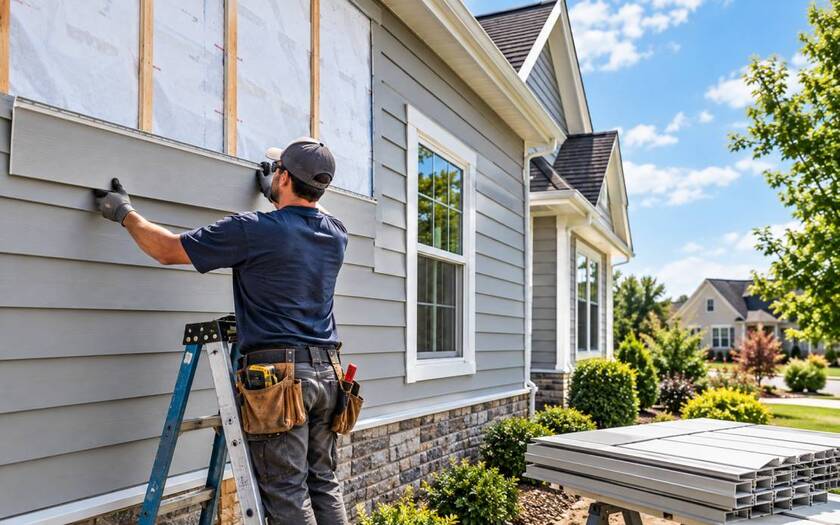
Siding Replacement Main Line PA: A Practical Guide to Making the Right Decision
Siding Replacement Main Line PA | What Homeowners Need to Know

Siding replacement Main Line PA homeowners are researching is one of those projects that rarely arrives as a surprise but often gets delayed longer than it should. The signs accumulate gradually: panels that have begun to warp or buckle, paint that no longer adheres properly to aging surfaces, gaps at seams that were not there a few years ago, and utility bills that have climbed without a clear explanation. By the time the decision to move forward feels urgent, the underlying deterioration has typically been developing for longer than the visible symptoms suggest. Understanding what drives that timeline, what the replacement process actually involves, and how to evaluate contractors before committing to one is the most valuable preparation any homeowner can do. Hynes Construction has been guiding homeowners through exactly this process across the Main Line and Greater Philadelphia area for over 50 years.

Why Siding Deterioration Happens Faster Than Most Homeowners Expect

The Main Line sits squarely in a climate zone that tests exterior building materials year-round. Hot, humid summers create conditions that promote moisture infiltration behind any siding that has lost its integrity at seams, fastener points, or trim transitions. Pennsylvania winters deliver freeze-thaw cycles that expand those same small vulnerabilities into larger ones as water works its way into cracks, freezes, and forces them open. Over time, even siding that was properly installed reaches a point where the cumulative effects of weather exposure outpace the material's ability to perform as designed.

In communities like Ardmore, Wayne, and Lower Merion, where the housing stock includes a significant concentration of homes built in the mid-twentieth century, original siding or first-generation replacements are now commonly approaching or past their intended lifespan. The architectural character of Main Line neighborhoods adds another layer of complexity: homes with original wood siding, decorative trim details, and varied facade profiles require a replacement approach that accounts for those features rather than treating them as afterthoughts.

Siding replacement Main Line PA projects that address deterioration properly do more than restore appearance. They restore the integrity of the building envelope, which is the continuous barrier between conditioned interior space and the outdoor environment. When that barrier is compromised, the consequences extend well beyond aesthetics into energy performance, moisture management, and the structural health of the wall assembly itself.

What makes the timing decision difficult for most homeowners is that siding deterioration is not linear. A home can look presentable from the curb while moisture has already been infiltrating behind panels for seasons, working at the wall sheathing and insulation without producing any obvious interior indication. By the time ceiling stains, soft spots in walls, or visible mold appear inside the home, the remediation cost has already grown considerably beyond what siding replacement alone would have cost.

What to Look for When Evaluating Siding Contractors

Choosing the right contractor for siding replacement Main Line PA homeowners are planning is a decision that deserves more scrutiny than many people apply to it. The contractor determines not just the quality of the finished installation but the longevity of the result and the experience of the process from initial assessment through project completion.

Local experience with the specific housing stock of the area is among the most meaningful qualifications to verify. A contractor who has worked consistently in communities like Havertown, Narberth, and Wynnewood understands the architectural details, common underlying construction methods, and material performance patterns that define Main Line homes in a way that a contractor without that geographic depth simply cannot replicate. That knowledge translates into better decisions at every stage of a project.

Certifications from recognized industry bodies provide independent verification of quality standards that self-reported claims cannot. GAF Master Elite® certification, held by only the top 3% of contractors nationwide, reflects rigorous installation standards and verified workmanship practices that apply across all services a contractor provides, not just roofing. A company that maintains this standard across one trade is operating with a quality culture that carries through to siding replacement Main Line PA projects and every other exterior service they handle.

Full licensing and insurance, written warranties covering both materials and labor, and a transparent estimating process that specifies exactly what is included before any commitment is made are equally non-negotiable. A detailed written estimate allows for meaningful comparison between bids and protects homeowners from the kind of scope creep that turns a reasonable project into an unexpectedly expensive one.

Asking contractors specifically about their approach to moisture barrier installation, flashing at windows and penetrations, and trim integration will quickly distinguish those who understand siding as a system from those who treat it as a surface-level replacement.

Why Contractor Experience Determines Long-Term Outcome

Siding replacement Main Line PA outcomes that hold up well over time consistently reflect one common factor beyond material quality: the contractor's depth of experience with the specific conditions and housing characteristics of the local area.

Hynes Construction has been completing siding and exterior improvement projects across the Main Line for more than 50 years, serving communities including Bryn Mawr, Conshohocken, Bala Cynwyd, Paoli, and Radnor. That accumulated local presence reflects genuine familiarity with the range of architectural styles found throughout the area, the underlying construction methods used across different building eras, and the specific performance demands that Pennsylvania's climate creates for exterior cladding systems.

As a full-service contractor handling roofing, siding, windows, and decks under one operational structure, Hynes Construction approaches siding replacement with an integrated understanding of how siding functions within the complete exterior system of a home. Moisture barrier continuity at window and door openings, flashing transitions between siding and roofing elements, and drainage management at grade transitions are all points where siding installation intersects with adjacent building systems. A contractor experienced across all of these exterior components handles those intersections more reliably than one whose experience is limited to siding alone.

Their GAF Master Elite® certification, awarded to only the top 3% of contractors in the country, reflects independently verified quality standards that apply to every service they provide. For homeowners comparing options for siding replacement Main Line PA, that combination of verified credentials and five decades of consistent local presence is a meaningful differentiator in a market where contractor quality and longevity vary considerably.

What a Well-Managed Siding Replacement Project Looks Like

Understanding the sequence of a properly managed siding replacement project helps homeowners recognize when things are proceeding correctly and provides a framework for asking informed questions along the way.

A qualified contractor begins with a thorough assessment of the existing siding condition and the wall assembly behind it. This step identifies any moisture damage, mold, or structural compromise in the underlying sheathing that needs to be addressed before new material is installed. Skipping this assessment is one of the most common sources of problems that emerge after a siding project is complete.

A written proposal follows, specifying siding products by manufacturer, profile, and performance characteristics, along with all associated work including moisture barrier installation, flashing, trim, and any substrate repair identified during the assessment. Each line item should be clear enough for the homeowner to understand exactly what they are agreeing to before any work begins.

During installation, professional crews manage the worksite cleanly and communicate proactively when unexpected conditions in the wall assembly require adjustments to the planned approach. Moisture barrier installation is completed and inspected before siding panels go on. Panel installation follows manufacturer specifications for fastener placement, overlap, and expansion allowances. Trim and finishing details are completed to the agreed specifications before a final walkthrough closes out the project.

Making a Confident Decision on Siding Replacement Main Line PA

Siding replacement Main Line PA homeowners invest in affects the protection, energy efficiency, and appearance of a home for the next two decades or more. The homeowners who consistently get the best outcomes are those who evaluate contractors on substance rather than advertised price, understand the key variables that separate a lasting installation from a problematic one, and take the time to ask specific questions before committing to anyone.

The right contractor brings verifiable local experience, independently verified credentials, transparent pricing, and a clear process from initial assessment through final walkthrough. Those qualities are findable in this market with the right approach.

For Main Line homeowners ready to begin that process, hynesconstruction.com is a starting point worth exploring, and the team can be reached directly at (610) 890-6379 to discuss the specifics of a project. Getting siding replacement done correctly the first time is always the better investment.

Read full Article
post photo preview
Rear View Camera Installation Hayward CA: Expert Guide for Trucks and SUVs
Rear View Camera Installation Hayward CA: The Complete Guide for Truck and SUV Owners Who Want Full Visibility

You are backing a lifted truck out of a tight parking spot in a crowded Hayward, CA shopping center, mirrors adjusted as well as they can be, moving slowly because you genuinely cannot see what is directly behind you. A shopping cart appears from nowhere, a child cuts across the lane, or another driver pulls in behind you without warning. The blind zone directly behind a full-size truck or SUV can extend twenty feet or more, and factory mirrors do not come close to covering it. Professional rear view camera installation in Hayward CA eliminates that blind zone entirely, giving you a live feed of everything directly behind your vehicle the moment you shift into reverse. For truck and SUV owners, overlanders with loaded rigs, and anyone towing a trailer or camper, a rear view camera is not a luxury upgrade anymore. It is one of the most practical and safety-critical investments you can make for a vehicle you drive every day and depend on in challenging environments.

What Professional Rear View Camera Installation Hayward CA Actually Delivers

Many drivers assume a rear view camera is simply a small screen showing a grainy image of what is behind them. A professionally installed rear view camera system in Hayward CA delivers significantly more than that, with image quality, camera placement, display integration, and system reliability that a self-installed kit from a big-box store cannot match under real-world driving conditions.

High Definition Image Quality

Modern rear view cameras deliver high-definition video that provides a clear, detailed image of the area behind your vehicle even in low-light conditions. Night vision capability using infrared LEDs or wide-aperture lenses ensures that the camera remains useful after dark, in dim parking structures, and on unlit campground roads where visibility is already limited. Image clarity matters most in the moments when you are reacting to something unexpected behind your vehicle, and a high-resolution system gives you the detail you need to respond correctly and quickly.

Wide Angle Coverage and Guidelines

A quality rear view camera uses a wide-angle lens that captures a significantly broader field of view than any mirror configuration can achieve. Dynamic parking guidelines overlaid on the camera image show you exactly where the rear corners of your vehicle will track as you turn, making precision maneuvering in tight spaces significantly easier and more intuitive. For truck owners who tow trailers, a camera system that switches automatically between a standard wide-angle view and a zoom view for hitch alignment makes connecting to a trailer faster and less frustrating than any alternative approach.

Display Integration With Your Head Unit

A professionally installed rear view camera integrates with your vehicle's existing head unit display or a new aftermarket head unit installed as part of the same project, triggering automatically when you shift into reverse and returning to your normal display when you shift out. Seamless integration that uses the vehicle's factory display where possible, or a properly matched aftermarket display where not, produces a finished result that looks intentional and functions reliably rather than looking like an afterthought bolted onto your dashboard.

Auto Camera Installation: Understanding Your Options for Trucks and SUVs

Auto camera installation for trucks and SUVs involves more choices than most drivers initially realize, and getting those choices right for your specific vehicle and use case is what separates a system you use and trust from one you stop relying on within a few months. Camera type, mounting location, cable routing, and display configuration all affect how well the system performs in the conditions you actually drive in.

Flush Mount Versus Surface Mount Cameras

Flush mount cameras are installed into a cutout in the tailgate, bumper, or license plate area and sit recessed into the surface for a clean, low-profile appearance. They are less vulnerable to physical damage from backing into brush or low obstacles and present a finished look that suits vehicles with clean factory aesthetics. Surface mount cameras attach to the exterior surface and are simpler to install on vehicles where cutting into factory panels is not desirable. For overlanding builds with aftermarket bumpers or custom tailgate setups, surface mount cameras offer more flexibility in positioning and are easier to reposition if the build configuration changes.

Wired Versus Wireless Systems

Wired rear view camera systems transmit video through a physical cable run from the camera at the rear of the vehicle to the display at the front. This connection is reliable, lag-free, and immune to the interference that wireless systems can experience near other electronics or in areas with high radio frequency traffic. Wireless systems offer easier installation in some vehicles but introduce the possibility of signal degradation, latency, and interference that a wired system avoids entirely. For trucks and SUVs used for overlanding or towing, where reliable video feed is most critical and conditions are most demanding, a wired system installed by a professional is the recommendation that experienced auto camera installation specialists consistently make.

Multi-Camera Systems for Full Coverage

A single rear view camera covers the blind zone directly behind your vehicle, but a multi-camera system extends that coverage to the front, sides, and hitch area simultaneously. For large trucks and SUVs with significant blind zones on all sides, a four-camera system that displays a composite bird's-eye view of the vehicle and its immediate surroundings provides a level of situational awareness that transforms how confidently you maneuver in tight spaces. For overlanders navigating narrow trails where both front and rear obstacles require monitoring simultaneously, a multi-camera setup is a functional upgrade that directly improves trail safety and reduces the risk of vehicle damage.

Rear View Camera Installation Hayward CA for Overlanding and Off-Road Builds

Overlanding and off-road use places specific demands on a rear view camera system that standard urban driving does not. Trail conditions, dust, water crossings, physical impacts from vegetation and rocks, and the extreme temperature cycles that a vehicle parked in direct sun at a remote campsite experiences all affect camera performance and longevity in ways that a camera optimized for parking lot use is not designed to handle.

Choosing Cameras Rated for Off-Road Conditions

An overlanding-grade rear view camera needs an IP67 or IP68 waterproof rating that protects the lens and housing from dust and water immersion during stream crossings and heavy rain. Shock and vibration resistance matters on rough trails where the camera mounting point experiences constant jarring that can loosen connections and damage components over time. A camera with a metal housing rather than a plastic one withstands contact with brush and debris significantly better, and a lens with scratch-resistant coating maintains image quality after repeated encounters with trail vegetation. The team at Audio Mobile Hayward on Mission Boulevard in Hayward, California selects camera hardware for overlanding builds based on these real-world durability requirements rather than simply on price point or feature list.

Integrating Rear Cameras With Aftermarket Bumpers and Tailgates

Many overlanding builds involve aftermarket rear bumpers, swing-out tire carriers, and custom tailgate configurations that change the mounting options and cable routing requirements for a rear view camera installation. A shop with experience in overlanding builds understands how to position a camera on an aftermarket bumper for the optimal field of view, how to route cables through a swing-out carrier without creating a cable management problem every time the carrier opens, and how to waterproof and protect connections in locations that are exposed to trail conditions. This build-specific knowledge produces a camera installation that functions correctly in the context of the complete vehicle rather than just in isolation.

Why Hayward and East Bay Drivers Trust Audio Mobile Hayward for Auto Camera Installation

Across Hayward, Fremont, Oakland, San Leandro, and the broader East Bay, truck and SUV owners who want auto camera installation done with genuine expertise have found that working with a specialist shop produces a significantly better result than a quick-turnaround shop or a self-install kit. Rear view camera installation in Hayward CA through Audio Mobile Hayward delivers clean cable routing hidden inside door pillars and body panels, properly matched displays, and camera placement optimized for the specific vehicle and its use case.

Audio Mobile Hayward serves Bay Area drivers with a full range of auto camera installation services that are integrated into a broader approach to vehicle upgrades covering car audio, vehicle security, GPS tracking, window tinting, and complete overlanding builds. Their experience across hundreds of truck and SUV installations means that every camera installation is planned with the complete vehicle in mind, from cable routing that avoids interference with existing wiring to display integration that works seamlessly with the audio system already in the vehicle. For Bay Area drivers ready to eliminate blind zones and improve safety with a properly installed rear view camera system, exploring the full range of professional installation services at audiomobilehayward is the right first step toward a setup that performs reliably every time you shift into reverse.

Conclusion

Professional rear view camera installation in Hayward CA delivers safety, confidence, and visibility that factory mirrors and unaided judgment simply cannot match for truck and SUV owners who drive, tow, and explore in real-world conditions. From high-definition image quality and wide-angle coverage to seamless display integration and off-road-rated hardware for overlanding builds, the right camera system is built around your specific vehicle and how you use it every day. Choosing professional auto camera installation over a self-install kit ensures clean wiring, proper camera placement, and a reliable system that performs correctly from the first day and every day after. If you are in Hayward or anywhere across the East Bay and ready to upgrade your visibility, Audio Mobile Hayward has the expertise and the installation experience to get it done right. Contact them today and drive with the confidence that comes from knowing exactly what is behind you.

Read full Article
Available on mobile and TV devices
google store google store app store app store
google store google store app tv store app tv store amazon store amazon store roku store roku store
Powered by Locals