techpeople
Education • Gaming • Science & Tech
Affordable Blinds and Shutters in Philadelphia, PA: A Complete Buyer's Guide
Find affordable blinds and shutters in Philadelphia, PA without sacrificing quality. Discover how to choose the right window treatments for any budget and style.
July 01, 2026
post photo preview

Introduction

Window treatments are one of those home upgrades that make an immediate, visible difference in how a space looks and feels. Yet for many Philadelphia homeowners, the process of finding affordable blinds and shutters in Philadelphia, PA that actually look good and hold up over time feels surprisingly complicated. The options are overwhelming, the pricing is often unclear, and the fear of making an expensive mistake is real. Whether you are refreshing a single bedroom or outfitting an entire home, the goal is the same: beautiful, functional window coverings that fit your budget and your style. This guide breaks down everything you need to know to make a confident, informed decision, from understanding your options to finding the right professional to bring it all together.

What "Affordable" Actually Means in the Window Covering World

The word affordable means something different to every buyer, and the window covering industry does not always make it easy to understand where your money is going. A vinyl blind at a big box store might cost twenty dollars, but it will look cheap, operate poorly, and need replacing within a few years. A custom wood shutter might cost several hundred dollars per window, but it adds real architectural value and lasts for decades.

The honest truth is that affordable blinds and shutters in Philadelphia, PA exist across a wide spectrum, and the best value is rarely found at either extreme. Mid-range products from quality manufacturers, professionally measured and installed, almost always outperform both the bargain option and the unnecessarily premium one for most homeowners and their budgets.

Understanding cost also means understanding what is included. Some companies charge separately for consultation, design, measurement, and installation. Others bundle everything together. The total cost of ownership is what matters, not the sticker price on the product alone.

For interior designers, contractors, and architects managing client projects, this distinction is especially important. A low product price that comes with unreliable installation or poor after-sales support creates risk that ultimately costs more to resolve.

A Practical Guide to Choosing Blinds and Shutters for Philadelphia Homes

Philadelphia's housing stock is genuinely diverse. From narrow Society Hill townhouses with deep-set colonial windows to open-plan condos in Northern Liberties with floor-to-ceiling glass, window treatments need to work hard across very different architectural contexts. Here is a practical breakdown of the main options and where each one fits best.

Blinds are the most versatile and budget-accessible option. Faux wood blinds offer a warm, wood-like appearance with strong moisture resistance, making them a reliable choice for kitchens, bathrooms, and high-traffic areas. Aluminum blinds are the most affordable category and work well in utility spaces or modern interiors where a clean, minimal look is the goal.

Shades include a broad category of fabric-based treatments. Roller shades are simple, sleek, and available at a wide range of price points. Roman shades add softness and a custom feel. Cellular or honeycomb shades provide the best insulation value, which matters in Philadelphia winters and summers both.

Shutters sit at the premium end of the spectrum but offer the longest lifespan and the strongest visual impact. Plantation shutter installation near me in Philadelphia, PA is a frequently searched term because shutters genuinely transform a room in a way that other treatments cannot replicate. Composite or faux wood shutters bring the cost down while maintaining the look, making them a strong option for homeowners who want the aesthetic without the full wood price tag.

Soft treatments including drapes, curtains, and roman shades bring warmth, texture, and color to a space. They work beautifully layered over blinds or shutters, adding a finished, curated look that feels intentional rather than functional.

For trade professionals specifying treatments across multiple rooms or an entire building, the key is finding a partner who stocks a range broad enough to serve every space without requiring multiple vendors.

How to Get the Most Value from Your Window Covering Budget

Getting good value from a window covering project comes down to a few practical principles that apply whether you are spending five hundred dollars or fifty thousand.

First, prioritize the rooms that matter most. Living rooms, primary bedrooms, and home offices are the spaces where quality treatments have the most daily impact. Secondary spaces like guest rooms and utility areas can accommodate more budget-conscious choices without affecting the overall feel of the home.

Second, think about longevity. A product that costs thirty percent more but lasts three times as long is the better financial decision. Shutters and quality cellular shades are good examples of treatments where spending more upfront saves money over a ten to fifteen year horizon.

Third, do not underestimate the value of professional measurement and installation. Ill-fitting window treatments are one of the most common sources of buyer disappointment, and they are almost always the result of inaccurate measurement or improper installation rather than a problem with the product itself. For anyone searching plantation shutter installation near me in Philadelphia, PA, professional fitting is what separates a shutter that looks custom-built from one that looks like an afterthought.

Fourth, ask about what is included before committing. The total cost of a window covering project should account for consultation, design advice, measurement, product, and installation. Companies that offer all of these without hidden charges make budgeting far more straightforward.

Window blinds installation in Philadelphia from a full-service provider protects the investment you are making in your home and eliminates the risk of costly errors.

Why Philadelphia Homeowners and Designers Trust Bartlett Blinds

Bartlett Blinds has earned its reputation in Philadelphia the old-fashioned way: through referrals and repeat clients. That kind of trust does not happen by accident. It comes from a consistent experience that starts at the very first conversation and continues through installation and beyond.

The process begins with a free in-home consultation. A specialist visits the client's home, brings product samples and swatches, and takes the time to understand the space, the lifestyle, and the budget before making a single recommendation. Seeing how a blind or shutter looks in your actual lighting conditions, against your walls and floors, is a completely different experience from making the same decision in a showroom under artificial light.

The consultation, design, and installation are all provided at no charge. There are no hidden fees, no design consultation bills, and no surprise installation costs at the end. What the client sees is what they pay.

Bartlett Blinds works across the full range of window covering categories: manufactured blinds and shades, custom soft treatments including drapes, curtains, and roman shades, and motorized and automated window treatments for clients who want smart home integration or simply the convenience of remote operation. Whatever the budget or aesthetic, the goal is always the same: find the best possible solution for that specific client and that specific space.

For interior designers, commercial builders, contractors, and architects, Bartlett Blinds offers the kind of reliable, full-service partnership that keeps projects moving on schedule. Trade professionals working with Bartlett Blinds Philadelphia window treatments know they can trust the measurement, the product, and the installation to deliver consistently.

Motorized and Automated Window Treatments: Worth the Investment?

Motorized window treatments have moved well beyond the luxury novelty category. They are now a practical, accessible option that works for a wide range of budgets and home types.

The core benefits are convenience and consistency. Motorized blinds and shutters can be programmed to adjust at specific times of day, controlled via smartphone, or integrated into a broader smart home system. For south-facing rooms that get intense afternoon sun, automation means the blinds adjust without anyone needing to remember. For clients with limited mobility or hard-to-reach windows, motorization removes a genuine practical obstacle.

From a cost perspective, motorized treatments do carry a premium over manual options, but the gap has narrowed significantly as the technology has matured. For homeowners investing in quality shutters or custom shades, upgrading to motorized operation adds relatively modest cost for a meaningful improvement in daily usability.

For trade professionals specifying treatments in commercial or high-end residential projects, motorized window treatments are increasingly a client expectation rather than an optional extra. Specifying them from the planning stage is far more cost-effective than retrofitting later.

Conclusion

Finding affordable blinds and shutters in Philadelphia, PA does not mean settling for less. It means understanding your options, prioritizing the spaces and products that deliver the most long-term value, and working with a professional who takes the time to understand your needs before recommending a solution.

The right window treatments genuinely transform how a space looks and functions. They control light, improve privacy, add insulation, and bring a sense of completion to a room that is hard to achieve any other way. The key is making decisions with accurate information and the right support behind you.

If you are in the Philadelphia area and want to explore your options without any pressure or cost, Bartlett Blinds offers free in-home consultations where a specialist brings product samples directly to your space. You can see exactly how each option looks in your own light before committing to anything. Visit Bartlett Blinds to schedule your consultation and start the process of getting your windows exactly right.


community logo
Join the techpeople Community
To read more articles like this, sign up and join my community today
0
What else you may like…
Articles
post photo preview
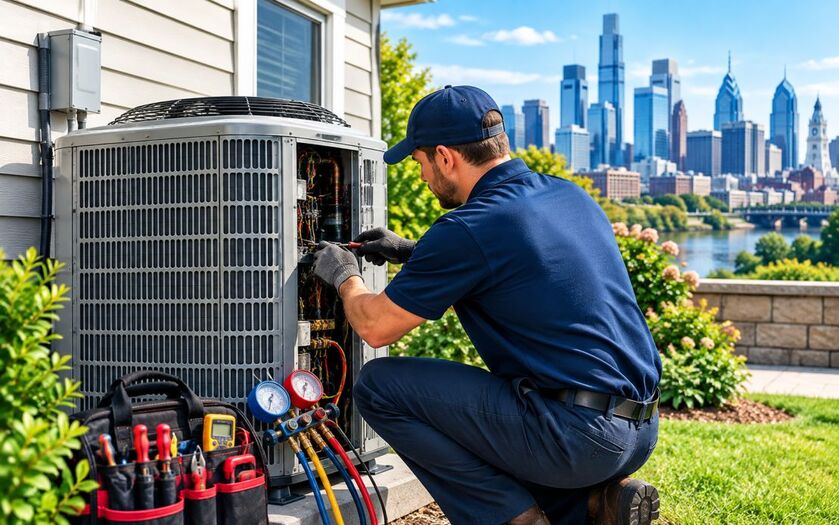
Top hvac company in Philadelphia for Heating and Cooling | Boyle Energy
A Complete Guide for Philadelphia Homeowners on What to Look for in an HVAC Provider, How to Avoid Costly Mistakes, and Why Local Experience Makes All the Difference

Philadelphia is a city that demands a lot from its heating and cooling systems. Winters are long, cold, and unforgiving. Summers bring waves of heat and humidity that push residential air conditioning to its absolute limits. For homeowners across the region, finding a dependable hvac company in Philadelphia that can handle both extremes with consistency and professionalism is one of the most important decisions they will make for their home. The right provider keeps families comfortable, protects expensive equipment, and delivers honest service without unnecessary upsells or surprise charges.

The challenge is that not every hvac company in Philadelphia operates with the same standards, values, or depth of experience. Some companies prioritize quick turnaround over quality workmanship. Others rely on high-pressure sales tactics rather than honest diagnosis and transparent recommendations. Homeowners who do not know what to look for can easily end up with a provider who fixes the symptom but ignores the underlying problem, leaving them dealing with the same issue again just a few months down the road. Knowing what separates a truly reliable HVAC provider from one that falls short is the first step toward making a confident, informed decision.

For tens of thousands of families across Havertown, Springfield, Drexel Hill, Media, Newtown Square, and the broader Philadelphia area, Boyle Energy has been the answer to the question of which hvac company in Philadelphia can truly be trusted. Founded in 1937 by Joseph Boyle Sr. and his brother John, Boyle Energy has built its reputation over more than eight decades of honest, community-focused service. With over 1,000,000 oil stops delivered, more than 500,000 service calls completed, and tens of thousands of HVAC systems installed, their track record speaks louder than any advertisement ever could.

What Makes a Truly Reliable HVAC Company in Philadelphia

Philadelphia homeowners have no shortage of options when it comes to HVAC service. The real challenge is identifying which companies deliver genuine quality and which ones simply look good on the surface. A few non-negotiable criteria consistently define the providers worth trusting with your home's most critical comfort systems.

Proven Local Experience

There is a meaningful difference between a company that has been operating in the Philadelphia area for a few years and one that has served the same communities for generations. Local experience means understanding the specific demands that Philadelphia-area weather places on residential HVAC systems. It means knowing the neighborhoods, the housing stock, and the kinds of challenges that older homes in communities like Lansdowne, Swarthmore, and Radnor face with aging infrastructure and equipment.

A company with deep roots in the community has had the opportunity to refine its processes, build a team of experienced technicians, and develop the kind of institutional knowledge that only comes from decades of hands-on work. That kind of experience is not something that can be replicated quickly, and it shows in the quality of every service call.

Certified and Licensed Technicians

Any HVAC company working on Philadelphia-area homes should employ technicians who are fully licensed, insured, and certified in their specific areas of expertise. Certifications in oil, HVAC, and propane services are not just credentials on a wall. They represent documented training, demonstrated competency, and a commitment to meeting professional standards that protect both the technician and the homeowner.

Before hiring any HVAC provider, homeowners should confirm that the company carries proper licensing and insurance, and that their technicians hold relevant industry certifications. This single step eliminates a large portion of the providers who are not equipped to deliver the level of service a Philadelphia home requires.

Transparent Communication and Honest Pricing

The best HVAC companies communicate clearly at every stage of the service process. They explain what they found during diagnosis, describe the recommended repair or service in plain language, and provide pricing information before any work begins. Homeowners should never feel pressured to make a decision on the spot or surprised by charges that were not discussed upfront.

Honest pricing and clear communication are reflections of a company's respect for its customers. They are also strong indicators that the provider is focused on building a long-term relationship rather than maximizing revenue from a single visit.

Top Services Every Quality HVAC Company in Philadelphia Should Offer

A comprehensive HVAC provider does more than respond to emergencies. The best hvac contractors in Philadelphia, PA offer a full range of services that support every aspect of home comfort across all four seasons.

Heating System Installation and Repair

Philadelphia winters are not forgiving. A reliable HVAC company should be fully equipped to handle heating system installations, seasonal tune-ups, and emergency repairs for furnaces, boilers, and heat pumps. For homes that rely on heating oil or propane, the provider should also offer fuel delivery services and comprehensive maintenance plans that keep heating systems running efficiently throughout the cold season.

Air Conditioning Installation and Service

From system sizing and installation to seasonal maintenance and urgent repairs, a quality HVAC provider covers the full spectrum of cooling needs. This includes evaluating existing ductwork, recommending appropriately sized equipment, performing precise refrigerant charging, and testing the complete system before signing off on the job. Homeowners in Upper Darby, Villanova, Wayne, and surrounding communities deserve a provider who approaches every AC installation and repair with the same level of care and precision.

Preventive Maintenance Plans

One of the most valuable services any HVAC company can offer is a structured preventive maintenance plan. Regular seasonal inspections of both heating and cooling systems catch problems before they become failures, extend equipment lifespan, and keep energy costs under control. A maintenance plan also builds a relationship between the homeowner and the service provider, ensuring continuity of care and consistent quality across every visit.

How to Evaluate and Choose the Right HVAC Provider for Your Philadelphia Home

With so many companies competing for attention, the process of choosing an HVAC provider can feel overwhelming. A structured approach to evaluation makes the decision much more manageable and significantly reduces the risk of a bad experience.

Start With Reputation and Longevity

A company's reputation in the community is one of the most reliable indicators of its quality. Look for providers with a long history of serving the Philadelphia area and a consistent track record of positive customer experiences. Longevity in a competitive market is itself a form of quality assurance. Companies that do not deliver results do not stay in business for decades.

Ask About Certifications and Service Range

Confirm that the company holds the relevant licenses and certifications for the services you need. Ask whether they offer comprehensive services or specialize in only one area. A provider who can handle heating, cooling, oil delivery, and propane services under one roof simplifies your life and ensures consistent quality across every aspect of your home comfort needs.

Evaluate Communication From the First Contact

The way a company treats you during your first phone call or inquiry is a reliable preview of how they will treat you throughout the service relationship. Prompt responses, clear information, and a willingness to answer questions without pressure are all positive signs. Vague answers, high-pressure tactics, or reluctance to provide pricing information upfront are red flags worth taking seriously.

Why Philadelphia Homeowners Choose Boyle Energy

Boyle Energy exemplifies everything a great HVAC company in Philadelphia should be. Still small enough for customers to speak directly with the owners, yet fully equipped to handle the complete range of residential and commercial HVAC, oil, and propane needs across more than 60 communities, Boyle Energy has maintained its founding values for over eight decades. Their certified team serves neighborhoods from Bryn Mawr and Wallingford to Glenolden and Norwood with the same dedication and personal attention that Joseph Boyle Sr. brought to every customer in 1937.

Their affiliation with leading industry organizations including the Energy Marketers of America, PPMCSA, and NATEX, combined with a comprehensive portfolio of oil, HVAC, and propane certifications, confirms that Boyle Energy holds itself to the highest professional standards in the industry.

Conclusion

Finding the right hvac company in Philadelphia does not have to be a stressful or uncertain process. Focus on experience, certification, transparent communication, and a proven community reputation. These qualities, taken together, identify the providers who will treat your home and your family with the respect and professionalism you deserve.

For Philadelphia-area homeowners who are ready to work with an HVAC company that has earned its reputation over more than 85 years of honest, consistent service, the choice is clear.

Read full Article
post photo preview
Trademark Registration Attorney: How Adams Law Office Protects What Your Brand Is Worth
Why Working With a Dedicated Trademark Registration Attorney Is the Most Defensible Brand Decision a Business Owner Can Make

Building a brand from the ground up requires sustained investment in creative development, marketing, customer acquisition, and reputation management, and working with a qualified trademark registration attorney is the most direct way to ensure that investment receives the legal protection it deserves at the federal level. A trademark registration attorney brings the procedural precision and legal strategy necessary to navigate the USPTO's examination process, avoid the clearance mistakes that derail applications, and secure registrations that hold up in enforcement scenarios when brand conflicts arise. For business owners in California and across the United States, the decision to engage professional trademark counsel is not simply a legal formality; it is a commercial decision that determines whether a brand's identity can be defended as the business grows. Adams Law Office has built its practice around this exact need, providing entrepreneurs, startups, and established companies with attorney-guided trademark representation designed to produce durable, enforceable registrations from the very first filing.

Why the Demand for Trademark Protection Has Never Been Greater

The acceleration of e-commerce, the proliferation of social media platforms, and the globalization of consumer markets have collectively created an environment where brand identity is both more valuable and more vulnerable than at any previous point in business history. A company that establishes a recognizable name or logo in one market today can find that same identity replicated by a competitor in another market almost immediately, particularly in digital commerce channels where geographic barriers to entry are minimal.

The USPTO receives a significant and growing volume of trademark applications each year, reflecting the widespread recognition among business owners that formal registration is a necessary component of brand protection strategy. At the same time, that volume creates a more crowded trademark landscape in which the probability of encountering a conflicting mark during the clearance and examination process has increased substantially. Navigating that landscape without professional legal guidance exposes businesses to application failures, opposition proceedings, and post-registration enforcement challenges that are considerably more costly than the initial investment in qualified counsel.

Federal trademark registration addresses these risks systematically. A registered mark establishes nationwide priority from the date of application, creates constructive notice to the marketplace that the brand identity is legally claimed, and provides the presumptions of validity and ownership that form the legal foundation of any infringement enforcement action. For any business with genuine growth ambitions, these are not optional enhancements to brand protection; they are the legal infrastructure that makes sustained market expansion viable.

What Makes a California Trademark Registration Attorney Uniquely Valuable

California occupies a distinctive position in the national trademark landscape. The state's concentration of technology companies, entertainment industry operators, consumer goods brands, food and beverage producers, and professional services firms generates one of the highest volumes of trademark activity in the country. For businesses operating in this environment, the contextual knowledge that a California-based trademark registration attorney brings to the filing process has direct practical value that goes beyond general familiarity with USPTO procedures.

A practitioner whose practice is centered in California understands the industries where trademark conflicts are most common, the types of marks that face elevated examination scrutiny in those industries, and the competitive dynamics that shape how clearance searches need to be designed to be genuinely protective. This market-specific knowledge informs every stage of the registration process, from the initial assessment of a proposed mark's registrability through the drafting of the goods and services description and the response to any office actions the USPTO issues during examination.

California also maintains its own state trademark registration system that operates alongside the federal USPTO process. State registration provides additional protections for businesses whose commercial operations are primarily within California, and a trademark registration attorney familiar with both systems can advise on when a state filing adds meaningful coverage to a client's overall brand protection portfolio. For many California businesses, the strategic combination of federal and state registration represents the most comprehensive available approach to securing a brand identity against third-party challenges.

How Adams Law Office Delivers Trademark Registration Counsel to California Businesses

The structure and focus of a law firm determine the quality of trademark representation a client actually receives, and a firm that concentrates exclusively on trademark law is positioned to deliver a depth of procedural knowledge and current USPTO awareness that broader general practice firms are structurally limited in their ability to match.

Adams Law Office is organized around this principle of focused expertise. Attorney Sharon Adams practices exclusively in trademark law and maintains direct, personal involvement with every client throughout the full lifecycle of their trademark matter. The attorney who conducts the clearance search, prepares the application, and responds to any USPTO office actions is the same attorney who advised the client from the initial consultation, ensuring consistency of strategy and legal judgment at every stage of the process.

Adams Law Office operates on a flat-fee pricing model that provides clients with full cost transparency before any commitment is made. For startups and growing businesses managing legal budgets with care, this predictability is a meaningful practical advantage over hourly billing arrangements where costs can escalate unpredictably during a complex examination or opposition proceeding. The firm's exclusive focus on trademark law also means that attorney knowledge of USPTO examination standards, evidentiary requirements, and procedural deadlines remains current and detailed rather than diluted across multiple areas of practice.

What Business Owners Should Address Before Engaging a Trademark Registration Attorney

The most consequential pre-filing decision a business owner makes is whether to conduct a comprehensive trademark clearance search before launching a brand publicly. A business that invests in product development, packaging design, website infrastructure, and customer marketing under a name that turns out to be unavailable for federal registration faces outcomes that range from a USPTO refusal to a cease-and-desist letter from an existing rights holder whose registration predates the business's use of the mark. Each of these scenarios carries costs that far exceed what a thorough pre-filing clearance search would have required.

A qualified trademark registration attorney conducts clearance searches that go well beyond the USPTO's database of registered marks to include pending applications, common law uses in the marketplace, and domain name registrations that could indicate prior commercial use by a third party. This comprehensive approach identifies material conflicts before an application is filed, while the business still has maximum flexibility to adjust its brand identity if a conflict is discovered. Acting on clearance results before public launch is significantly less disruptive and less expensive than addressing an infringement claim or a USPTO refusal after the brand has already been established in the market.

Business owners should also approach trademark maintenance obligations with the same seriousness they bring to the initial registration process. Federal trademark registrations require declarations of continued use at the five-to-six year mark and combined renewal filings at 10-year intervals under Sections 8 and 9 of the Lanham Act. Missing these deadlines results in cancellation of the registration, and that loss cannot be corrected retroactively. Building a systematic approach to maintenance deadline tracking into the initial representation arrangement protects the registration as a long-term legal asset rather than treating it as a one-time filing event.

The Commercial Consequences of Operating Without Qualified Trademark Counsel

Businesses that navigate the federal trademark registration process without professional legal guidance encounter a predictable set of problems that compound over time. The most immediate is the risk of a clearance failure: a brand that enters the market without adequate clearance analysis may be built on a mark that cannot be federally registered, leaving the business without the legal foundation it needs to defend its brand identity as it grows.

Application errors present a parallel set of risks. A goods and services description that is drafted too narrowly may result in a registration that does not cover the full range of the business's commercial activities, leaving gaps in coverage that a competitor can exploit. A specimen of use that does not meet the USPTO's current evidentiary standards will trigger an office action that delays registration and requires a substantive legal response. A missed response deadline results in abandonment of the application, requiring the entire process to restart from the beginning with a new filing date and new fees.

Enforcement is the area where the absence of qualified trademark counsel becomes most costly. A business without a properly registered trademark is substantially limited in the legal remedies available when a brand conflict arises. Filing an opposition against a conflicting application at the Trademark Trial and Appeal Board, sending a legally credible cease-and-desist letter, or pursuing a federal infringement claim in district court all require a registered trademark as the legal foundation. Without that foundation, the business is negotiating from a position of legal weakness regardless of how long it has been using the mark commercially.

Protecting a Brand Requires Both Registration and Strategy

Federal trademark registration is the foundation of brand protection, but its value depends entirely on the quality of the strategy behind it and the consistency of the maintenance that follows it. A registration secured through a carefully designed application, filed by an experienced trademark registration attorney, provides a legal asset that supports brand growth, deters infringers, and holds up in enforcement scenarios across the full commercial life of the business.

For California business owners ready to take that step, Adams Law Office provides the focused trademark counsel and procedural precision that durable brand protection requires. Engaging a trademark registration attorney at the earliest stage of brand development, before a name or logo is publicly launched, gives every business the strongest possible legal starting point and the widest range of strategic options for protecting what it builds. Reach out to Adams Law Office to begin a conversation about securing your brand's legal foundation today.

Read full Article
post photo preview
AI-Native Software Development: Why the Foundation Matters More Than the Features
Discover how AI-native software development builds smarter, scalable systems from the ground up and why it matters for startups and enterprises alike.

Ask ten engineering leaders what "AI-powered software" means, and you'll get ten different answers. Some mean a chatbot. Some mean a recommendation widget. Few actually mean a system where intelligence shapes every architectural decision from the start. That distinction is exactly what separates AI-native software development from the AI-flavored software most companies are shipping today.

The difference isn't cosmetic. It determines whether a product can scale without a rebuild, whether automation actually reduces manual work, and whether the engineering team spends its time innovating or firefighting. For founders and CTOs deciding how to invest their next development budget, this is one of the more consequential decisions they'll make this year.

Defining AI-Native: More Than a Buzzword

AI-native doesn't mean "has AI in it somewhere." It means the system was designed around AI capabilities as a core requirement, not a downstream integration.

In a traditional build, engineers design the database schema, the application logic, and the user interface first then figure out how to squeeze a model into the workflow. In an AI-native build, the questions get asked in reverse: What data will the system need to make intelligent decisions? How should that data move through the architecture in real time? Which parts of the workflow should be automated versus human-reviewed?

Those questions shape everything downstream: the choice of database, the API design, even how the front end is structured. A system built this way tends to have:

  • Data pipelines designed for continuous learning, not just static reporting
  • Modular services that let AI models be updated or swapped without breaking the whole application
  • Built-in feedback loops so the system improves from real usage instead of staying static until the next release cycle

The Hidden Cost of Retrofitting AI

Retrofitting isn't just slower, it's a recurring cost that never fully goes away. Every legacy system that adds AI after the fact ends up carrying two sets of logic: the original rules-based logic and the new AI-driven logic, running in parallel and occasionally contradicting each other.

Engineering teams often underestimate how much time this eats. A widely cited enterprise technology study found that the majority of AI initiatives fail to reach production, with data integration and legacy system constraints cited as leading causes, not model performance. That's a telling detail. The bottleneck usually isn't the intelligence of the AI. It's the foundation it's being asked to run on.

There's also a compounding effect. Each new AI feature added to a legacy system increases the surface area where the two logics can conflict, which means QA cycles get longer and releases get riskier over time. Teams that started AI-native don't face this problem in the same way, because the architecture was designed to absorb new intelligence rather than resist it.

How AI-Native Thinking Changes Web and Mobile Development

The conversation about AI-native architecture often stays at the infrastructure level, but its effects are just as visible in web and mobile development the layer customers actually interact with.

A mobile app built AI-native can personalize content, pricing, or recommendations in real time because the data and model layers are already wired into the front end. A web platform built the same way can surface predictive insights, churn risk, next-best-action, demand forecasting without a separate analytics dashboard bolted onto the side.

Compare that to a typical retrofit: a company adds a "smart" feature to its app, but the underlying data doesn't update fast enough, so the feature feels stale or inaccurate within weeks of launch. Users notice the disconnect even if they can't name it. Trust in the product erodes quietly.

When AI-native principles are applied at the web and mobile development stage not just the backend the product feels coherent. Personalization is instant. Automation happens without visible seams. That consistency is difficult, sometimes impossible, to achieve by adding AI after the interface is already built.

Practical Signals You're Ready for an AI-Native Rebuild

Not every company needs to rearchitect immediately. A few signals tend to indicate the timing is right:

  • Manual processes are creating a bottleneck that headcount alone can't solve.
  • Customer-facing features increasingly depend on real-time data, and the current system can't deliver it fast enough.
  • Engineering time is dominated by maintaining integrations between legacy systems and newer AI tools.
  • Leadership is planning a product overhaul anyway which is the ideal moment to build the new version AI-native rather than repeating the old pattern.

Companies that wait until they're deep into scaling problems tend to face a harder, more expensive transition than those who make the shift proactively.

Finding an Engineering Partner That Builds This Way From the Start

The hardest part of this shift usually isn't deciding to go AI-native it's finding a development partner whose default approach actually matches that philosophy, rather than one that says "AI-enabled" but still designs systems the traditional way and adds AI as a plug-in later.

Socio Digitech approaches software development with this foundation built in from the first architecture conversation. Its work across custom AI development, agentic AI and automation, enterprise software development, and data engineering reflects a consistent principle: intelligence is planned into the system, not appended to it. That same approach carries through to for web and mobile development and MVP engineering, where products are built to support real-time personalization and automation from launch rather than requiring a second phase of "AI integration" work later.

For teams evaluating vendors, it's worth asking directly how a prospective partner approaches this. A team that treats AI as a feature to be added later will build differently and more expensively, over time than one that treats it as a foundational requirement.

Building What Comes Next

Software built on outdated assumptions tends to reveal its limits quickly once real usage and real data start flowing through it. AI-native software development isn't a trend to adopt for its own sake, it's a response to how software actually needs to behave now: adaptive, data-driven, and capable of improving without constant manual intervention.

Whether the next step is a new product, a platform overhaul, or a targeted push into smarter web and mobile development, the foundational decision is the same one every team eventually faces: build for where the system needs to go, not just where it is today. Teams that make that call early tend to spend far less time and money catching up later.

Read full Article
Available on mobile and TV devices
google store google store app store app store
google store google store app tv store app tv store amazon store amazon store roku store roku store
Powered by Locals