techpeople
Education • Gaming • Science & Tech
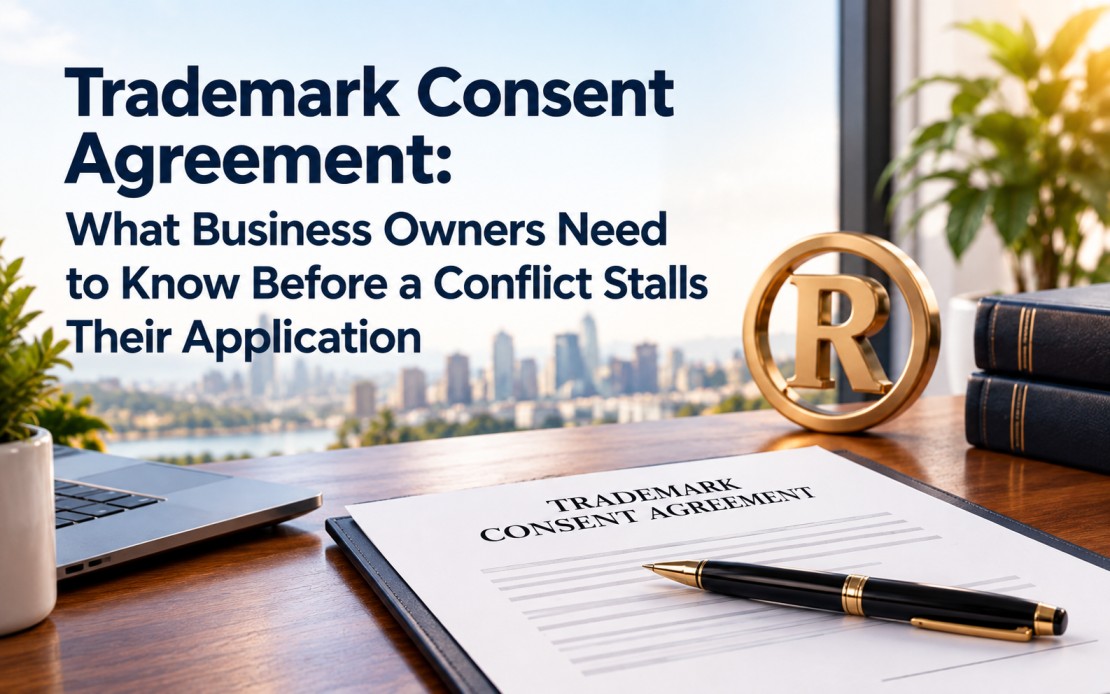
Trademark Consent Agreement: What Business Owners Need to Know Before a Conflict Stalls Their Application
How a Trademark Consent Agreement Can Resolve Conflicts and Keep Your Brand Registration on Track
September 18, 2026
post photo preview

Discovering that a proposed trademark conflicts with an existing registered mark is one of the most stressful moments in the brand development process, and understanding how a trademark consent agreement works can mean the difference between losing a brand identity entirely and securing federal registration despite the conflict. A trademark consent agreement is a legally binding arrangement between two trademark owners in which the holder of an existing mark consents to the registration of a similar or identical mark by a third party, typically accompanied by terms that define how both parties will operate in the marketplace to minimize consumer confusion. For business owners who have invested significant time and resources in building a brand around a specific name or logo, this legal tool offers a viable path forward when a clearance search or USPTO office action reveals a potentially blocking mark. Adams Law Office works with California businesses and entrepreneurs to evaluate whether a consent agreement is a strategically appropriate response to a trademark conflict and to negotiate terms that protect the client's long-term brand interests.

Why Trademark Conflicts Are More Common Than Business Owners Expect

The volume of active trademark registrations and pending applications in the USPTO database has grown substantially over the past decade, reflecting both the increasing awareness of trademark protection among business owners and the expansion of e-commerce markets where brand identity carries heightened commercial value. This growth in trademark activity means that the probability of encountering a conflicting mark during the clearance and examination process has increased meaningfully across most industries.

A trademark conflict does not require two marks to be identical. The USPTO's likelihood of confusion analysis evaluates a range of factors including the similarity of the marks in appearance, sound, and meaning, the relatedness of the goods and services each mark covers, and the sophistication of the relevant consumer base. Two marks can be considered confusingly similar even when they differ in spelling, visual design, or the specific goods they are associated with, as long as the overall commercial impression they create is similar enough to risk misleading consumers about the source of the products or services.

For business owners who have already launched under a brand name or committed to a specific identity through product development and marketing investment, receiving a USPTO office action citing a likelihood of confusion with an existing mark is a significant business problem. A consent agreement between the two mark owners is one of the recognized legal mechanisms for resolving that conflict and advancing the application toward registration.

What a Trademark Consent Agreement Actually Contains and How It Works

A consent agreement is more than a simple letter from one trademark owner to another. A legally effective consent agreement contains specific provisions that the USPTO can evaluate when determining whether the consent is sufficient to overcome a likelihood of confusion refusal. Courts and the USPTO have consistently held that a bare consent, meaning a statement that one party consents to the other's registration without any supporting conditions or commitments, carries less evidentiary weight than a detailed agreement that addresses how consumer confusion will be avoided in practice.

The most persuasive consent agreements include provisions addressing the geographic markets in which each party will operate, the specific goods and services each party's mark will cover, any differences in trade channels or marketing approaches that distinguish how each mark reaches consumers, and commitments about the visual or stylistic presentation of each mark that will help consumers distinguish between the two brands. These provisions demonstrate to the USPTO that the two parties have considered the practical risk of consumer confusion and have structured their commercial activities to minimize it.

Negotiating a consent agreement requires a clear understanding of both parties' business interests and the legal standards the USPTO applies when evaluating consent-based responses to likelihood of confusion refusals. A trademark attorney California businesses rely on for this kind of strategic guidance brings both the negotiation experience and the USPTO procedural knowledge necessary to craft an agreement that is commercially workable for the client and legally sufficient to advance the application.

How Adams Law Office Guides Clients Through Consent Agreement Negotiations

When a USPTO office action cites a likelihood of confusion with an existing registered mark, the applicant has several potential response strategies available, and determining which approach is most appropriate requires a careful analysis of the specific marks involved, the goods and services they cover, and the strength of the existing registration. A consent agreement is one option, but it is not always the most strategic one, and pursuing it without a clear assessment of the legal landscape can lead to negotiations that do not ultimately resolve the USPTO's concerns.

Adams Law Office begins the evaluation process by reviewing the office action in detail, analyzing the cited mark and its registration, and assessing the realistic prospects for each available response strategy. Attorney Sharon Adams works directly with each client to explain the legal analysis in practical terms and to identify the response approach that best aligns with the client's business goals, timeline, and budget. When a consent agreement emerges as the most viable path forward, the firm assists in identifying the appropriate contact within the existing mark owner's organization, structuring the initial outreach, and negotiating the specific terms of the agreement.

The drafting of the consent agreement itself requires attention to the evidentiary standards the USPTO applies when evaluating consent-based responses. Adams Law Office prepares consent agreements that include the substantive provisions most likely to satisfy the examining attorney's concerns, reducing the risk of a continued refusal after the consent is submitted and increasing the probability that the application advances to publication and registration on the first response.

When a Trademark Consent Agreement Is and Is Not the Right Strategy

A consent agreement is a powerful tool in specific circumstances, but it is not universally available or strategically appropriate in every conflict scenario. The willingness of the existing mark owner to negotiate a consent depends on their assessment of the risk the applicant's mark poses to their own brand, their interest in maintaining a positive relationship with a company that may be operating in an adjacent market, and their legal counsel's evaluation of whether granting consent creates any risk to the enforceability or distinctiveness of their own registration.

A trademark attorney California practitioners understand that some existing mark owners will decline to negotiate regardless of the terms offered, either because they perceive the applicant's mark as a genuine competitive threat or because their legal strategy involves maintaining maximum exclusivity over their registered mark. In these situations, alternative response strategies such as arguing against the likelihood of confusion on the merits, amending the application's goods and services description to reduce overlap with the cited mark, or filing on the Supplemental Register as a near-term measure may be more productive than pursuing consent.

Understanding which strategy is most appropriate for a specific conflict requires legal judgment informed by experience with USPTO examination practices and Trademark Trial and Appeal Board precedent. Business owners who attempt to navigate this evaluation independently, or who pursue a consent agreement without legal guidance, frequently invest time and resources in an approach that does not ultimately resolve the conflict or that results in an agreement the USPTO finds insufficient to overcome the refusal.

The Risks of Leaving a Trademark Conflict Unaddressed

A USPTO office action citing likelihood of confusion carries a mandatory response deadline that, if missed, results in abandonment of the application. Once abandoned, the application cannot be revived through a simple correction; the applicant must file a new application, pay new fees, and lose the original priority date, which may have been the applicant's primary legal advantage over the conflicting mark. Acting promptly and strategically after receiving an office action is essential to preserving the options available for advancing the application.

Beyond the procedural deadline, leaving a trademark conflict unaddressed has commercial consequences that extend beyond the immediate application. A business that continues to build its brand around a mark that cannot be federally registered is accumulating goodwill in an identity without the legal foundation to defend that goodwill if the conflict escalates. The existing mark owner retains the right to oppose the application during the publication period and to pursue infringement claims if the applicant continues using the mark after registration is denied.

For California business owners navigating this kind of conflict, the combination of a skilled negotiator and an experienced USPTO practitioner is the most effective resource available. The legal and commercial stakes of a trademark conflict are too significant to address with a generic response or a do-it-yourself consent letter that may not meet the USPTO's evidentiary standards.

Resolving a Trademark Conflict Starts With the Right Legal Guidance

A trademark consent agreement is one of the most practically useful tools available to a business owner whose trademark application has encountered a potentially blocking mark, but its effectiveness depends entirely on how it is negotiated, drafted, and presented to the USPTO. A well-constructed consent agreement can transform a seemingly insurmountable office action into a manageable legal problem with a clear path to resolution. A poorly constructed one can consume time and negotiation resources without advancing the application.

For California business owners facing a likelihood of confusion refusal or anticipating a potential conflict during the clearance phase,Adams Law Office offers the focused trademark counsel necessary to evaluate the situation accurately and pursue the most strategically sound response. Reaching out at the earliest stage of a conflict, before response deadlines tighten and negotiating options narrow, gives every business the widest range of legal tools and the strongest position from which to protect the brand identity it has built.


community logo
Join the techpeople Community
To read more articles like this, sign up and join my community today
0
What else you may like…
Articles
post photo preview
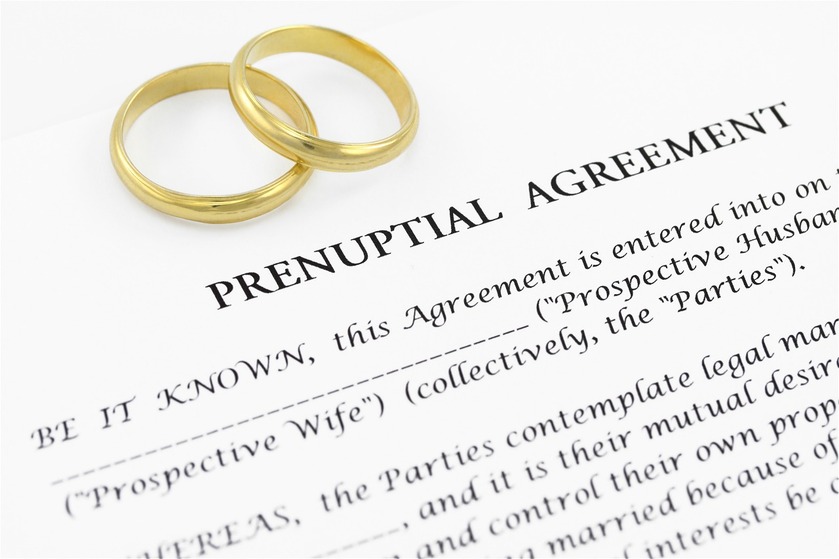
Take Control of Your Financial Future: What a Prenup Attorney in Newport Beach Wants Every Couple to Know Before the Wedding
Prenup Attorney Newport Beach: Protect What You've Built

Newport Beach couples planning marriage today are doing so against a backdrop of significant financial complexity. Real estate portfolios along the California coast, business ownership interests, investment accounts, trust fund assets, technology industry equity compensation, and accumulated wealth built over decades of professional success are all common features of relationships that lead to marriage in this community. Without a carefully and properly drafted prenuptial agreement in place before the wedding, California's default community property rules will govern all of these assets in the event of a divorce, frequently in ways that neither party anticipated or intended when they exchanged vows. When Newport Beach couples begin their search for the right prenup attorney Newport Beach offers, they are looking for someone who brings genuine California family law expertise, real financial sophistication, and a client-centered approach that reflects the specific circumstances of their lives. Moradi Neufer has helped Newport Beach and Orange County couples create prenuptial agreements that are legally bulletproof, financially precise, and reflective of what both partners actually want their shared financial life to look like.

Why Prenuptial Agreements in California Are More Legally Demanding Than Most Newport Beach Couples Realize

California's prenuptial agreement law is governed by the California Premarital Agreement Act, which establishes specific requirements that courts apply with genuine rigor. An agreement that fails to satisfy these requirements in any material respect can be invalidated entirely, leaving both parties without the financial protection they believed they had secured.

The voluntariness requirement is the most carefully scrutinized aspect of California prenuptial agreement enforcement. Both parties must enter into the agreement completely free of coercion, duress, or undue pressure of any kind. California courts examine closely the circumstances under which the agreement was presented and signed, with particular attention to how much advance time each party had to review and consider the agreement before the wedding date. An agreement presented to a partner in the final days before the ceremony under circumstances of emotional pressure or urgency is significantly more vulnerable to a legal challenge than one that was discussed openly, negotiated thoughtfully, and finalized with adequate time for both parties to reflect without feeling rushed or pressured.

The financial disclosure requirement is equally non-negotiable. Both parties must provide complete and accurate disclosure of all assets, debts, income sources, and financial obligations before the agreement is executed. California courts treat incomplete or deliberately misleading financial disclosure as a fundamental flaw that can void the entire agreement. In Newport Beach, where financial profiles are often complex and multi-layered, this disclosure requirement demands careful, thorough, and professionally guided preparation rather than a quick summary of obvious assets.

Independent legal counsel for both parties is the third critical requirement that California prenuptial agreement law effectively mandates. Each party should be represented by their own separate attorney who reviews the agreement independently and ensures their client fully understands every provision and its implications before signing. The absence of independent counsel on either side creates a vulnerability that opposing attorneys will exploit if the agreement is ever challenged. Finding the right prenup attorney Newport Beach offers means finding someone who takes this requirement seriously and builds the entire drafting and execution process around it.

What a Well-Drafted Newport Beach Prenuptial Agreement Actually Covers

Many Newport Beach couples approach the prenuptial agreement process with a general sense that they want to protect their assets without a clear understanding of what a truly comprehensive and carefully drafted agreement actually addresses. Understanding the full scope of available provisions helps couples engage in more productive conversations and enter the drafting process with realistic and well-informed expectations.

Property characterization is the foundational function of most California prenuptial agreements. The agreement specifies which assets each party brings into the marriage will remain their separate property throughout the marriage and in the event of divorce. It can establish how assets acquired during the marriage will be classified, whether as community or separate property, and how assets purchased using a mixture of separate and marital funds will be treated under different circumstances.

Business and investment protection is particularly important in Newport Beach, where many couples entering marriage hold significant business ownership interests, partnership stakes in professional practices, or investment portfolios that have appreciated substantially over time. A prenuptial agreement can define clearly how these interests will be treated, protected from community property claims, and valued if the marriage ends, preventing the kind of contested and expensive business valuation disputes that characterize many Orange County high asset divorce proceedings when no agreement is in place.

Debt allocation is a frequently overlooked but practically critical area. California's community property rules can in certain circumstances expose one spouse to debts incurred by the other during the marriage. A prenuptial agreement can establish clearly which debts belong exclusively to each party and provide protection against situations where one spouse's financial obligations create unexpected liability for the other.

Spousal support provisions allow couples to address in advance how support would be treated in the event of divorce, within the specific limits that California law establishes for such provisions. These provisions require particularly careful drafting because California courts scrutinize them closely, and they carry additional enforceability requirements related to independent legal representation at the time of signing.

Postnuptial Agreements: When a Prenup Was Not in Place Before the Wedding

Many Newport Beach couples who did not enter marriage with a prenuptial agreement are genuinely surprised to learn that they can still create a formal marital agreement after the wedding has taken place. A postnup agreement lawyer can help already-married couples accomplish many of the same financial protection goals that a prenuptial agreement would have addressed, though the legal environment for postnuptial agreements in California involves some important differences.

California courts apply heightened scrutiny to postnuptial agreements compared to prenuptial agreements. Because the parties are already married at the time of signing, courts are particularly attentive to voluntariness concerns and the potential for one spouse to exercise undue influence over the other. This heightened scrutiny makes working with an experienced postnup agreement lawyer who understands these specific dynamics even more important than in the prenuptial context.

Postnuptial agreements are commonly pursued by Newport Beach couples when one spouse launches or significantly grows a business during the marriage, when a substantial inheritance enters the picture, when the couple's financial profile changes in ways that make earlier informal understandings insufficient, or when both parties simply want to formalize financial arrangements that they have been operating under based on trust rather than documentation. An experienced Orange County high asset divorce lawyer who handles marital agreements understands how to structure these agreements in ways that are both legally defensible and genuinely reflective of what both parties actually intend.

How Moradi Neufer Supports Newport Beach Couples Through Prenuptial and Postnuptial Agreements

Newport Beach and Orange County couples planning marriage or seeking to establish marital agreements after the wedding have trusted Moradi Neufer for focused, technically precise, and genuinely personal legal guidance. Serving clients throughout Newport Beach, Irvine, Orange County, Los Angeles, San Francisco, San Mateo, Palo Alto, and communities across California, the firm brings dedicated expertise in prenuptial agreements, postnuptial agreements, high asset divorce, custody, and all areas of California family law to every client relationship.

The firm combines technical legal drafting precision with genuine attention to the specific financial circumstances, personal goals, and long-term intentions of each couple. Whether you are protecting significant premarital wealth, securing a business interest from community property claims, or pursuing a postnuptial agreement to bring formal clarity to an existing marriage, having attorneys whose entire practice centers on California family law provides real confidence and comprehensive protection throughout the entire process.

Finding the Right Prenup Attorney Newport Beach Couples Trust: Start the Conversation Before It Is Too Late

A prenuptial agreement done well strengthens the financial foundation of your marriage rather than threatening it. It creates mutual clarity, establishes shared expectations, and protects both of you from outcomes that California's default rules might otherwise impose regardless of your actual intentions.

The right prenup attorney Newport Beach couples rely on will take the time to understand both parties' complete financial situations, explain every provision in plain and practical language, and draft an agreement that is both legally bulletproof and genuinely reflective of what both of you intend for your shared financial future. If you are planning to marry in California or are already married and want to explore your options for a postnuptial agreement, consulting with an experienced California family law attorney is the most important step you can take right now. Reach out today and take the first step toward entering your marriage, or continuing it, with the financial clarity and mutual protection that both of you genuinely deserve.

Read full Article
post photo preview
Automatic Shades for Windows: The Smartest Upgrade for Philadelphia Homes and Commercial Spaces
Automatic Shades for Windows in PA | Bartlett

Picture this: you are sitting at your desk on a bright Philadelphia afternoon, squinting at your screen because the sun has shifted and is now hitting your window at exactly the wrong angle. You get up, adjust the automatic shades for windows, and sit back down. Or better yet, you do not get up at all. You tap your phone, and the shades adjust themselves. That is not a luxury reserved for custom-built smart homes or commercial high-rises. It is increasingly the standard expectation for homeowners, designers, and commercial builders who understand what modern window treatments can do.

This guide covers everything you need to know about automatic shades for windows: how they work, what types are available, how to choose the right system for your space, and where to find a Philadelphia-area partner who makes the entire process simple, personalized, and cost-free from start to finish.

What Automatic Shades for Windows Are and How They Work

Automatic shades for windows, also called motorized shades, replace the manual lift cord or chain with a quiet electric motor built into the headrail of the shade. That motor can be triggered by a variety of controls depending on the system and the level of integration you want.

At the most basic level, a handheld remote operates the shade the same way a television remote operates a TV: point, press, done. Step up from there, and you get wall-mounted control panels that look and function like a light switch. Go further, and the shades integrate with a smartphone app, allowing you to adjust them from anywhere. At the premium end, automatic shades connect to smart home platforms that coordinate them with lighting, thermostats, and voice assistants so that a single command or a scheduled routine adjusts multiple systems simultaneously.

The motor itself runs on either a battery pack or a hardwired connection. Battery-powered systems are easier to retrofit into existing spaces because they require no electrical work. Hardwired systems are cleaner in new construction where the wiring can be concealed in the wall during the build. Both options are quiet enough that the operation is virtually silent in a normal room environment.

Shades for windows that are motorized are available in the full range of fabric and material types: roller shades, cellular shades, roman shades, solar shades, sheer shades, and woven wood shades. Motorization is a lift system, not a product category, which means it can be applied to almost any shade style you would already be considering.

How to Choose the Right Automatic Shades for Your Space

Choosing the right automatic shades for windows is less complicated than it sounds when you break it down into four key decisions.

Shade type and fabric. The fabric you choose determines how the room looks and functions once the shades are installed. Solar shades filter glare and UV rays while preserving your view, making them ideal for home offices, dining rooms, and any space where you want natural light without the heat and glare. Cellular shades add a layer of insulation, which matters in Philadelphia homes where winters are cold and summer afternoons can be brutal. Roller shades in blackout fabric are the right call for bedrooms or home theaters where full light elimination is the goal. Roman shades bring a softer, more decorative quality that works beautifully in living rooms and dining spaces.

Control type. Match the control system to how you actually live in the space. A simple remote works perfectly well for most residential applications. If you are outfitting a home office where your hands are frequently occupied, voice control integration may be worth the added investment. For large installations spanning multiple rooms or an entire floor, a centralized control system that groups shades by zone is far more practical than managing each shade individually.

Power source. Battery-powered motors are the right choice for retrofit installations in existing homes where running new wiring would be disruptive or expensive. Most quality battery systems last one to three years before needing replacement or recharging, depending on usage frequency. Hardwired motors are the preferred specification for new construction or major renovations where electrical access is already open.

Smart home integration. If you are building or renovating with smart home infrastructure already in place, specifying shades that integrate natively with your platform from the start is far cleaner than retrofitting compatibility later. Major platforms including Google Home, Amazon Alexa, Apple HomeKit, and Lutron Caseta all have compatible shade systems available through quality suppliers.

Working through these decisions with someone who knows the product range inside and out makes the selection process straightforward. Bartlett Blinds brings samples and demonstration units directly to your home so you can experience how the controls feel and see how different fabric types perform in your own lighting before making any commitment.

What Designers and Contractors Should Know When Specifying Motorized Shades

For interior designers, architects, and commercial builders, automatic shades for windows represent a specification decision that increasingly defines the quality level of a project. Here is what experienced trade professionals need to understand.

Specify the power source before the walls close. This is the most common and most costly mistake in motorized shade projects. If hardwired motors are the intended specification, the rough-in wiring needs to happen during framing, before drywall. Retrofitting wiring after the fact is expensive, disruptive, and sometimes architecturally impossible without compromising finished surfaces. Confirm the power source early and communicate it clearly to the electrical contractor.

Plan for the headrail depth. Motorized shade systems require slightly more headrail depth than manual systems due to the motor housing. Verify that the window frame or fascia depth accommodates the motorized headrail before finalizing the specification, particularly on inside-mount installations where clearance is tight.

Group shades thoughtfully. In commercial spaces, conference rooms, and large open-plan residences, zoning matters. Shades that face the same direction and receive the same light conditions should be grouped together so they can be controlled as a single unit. Shades in different exposures should be in separate zones. Poorly planned zoning creates operational frustration that clients will notice every day.

Consider solar heat gain in your fabric selection. In commercial buildings and south or west-facing residential rooms, solar shades with an appropriate openness factor reduce cooling load meaningfully. This is particularly relevant in Philadelphia where summer sun exposure is significant and energy costs are a genuine concern for commercial operators.

Why Philadelphia Homeowners and Designers Trust Bartlett Blinds

There is no shortage of suppliers offering shades for windows in the Philadelphia area. What makes the experience with window blinds installation in Philadelphia through Bartlett Blinds consistently different is an approach to service that puts the client's needs and comfort ahead of everything else.

There are no consultation fees, no design fees, and no installation fees. The team arrives at your home or business with actual product samples, fabric swatches, and working demonstrations of motorized systems so you can see and feel exactly how each option performs before making any decision. That in-home experience eliminates the guesswork that comes with showroom visits or online ordering and makes it dramatically easier to choose correctly the first time.

Their product range spans every budget and specification level, from battery-powered retrofit systems for a single room to fully integrated hardwired installations across an entire commercial build. They work with homeowners, interior designers, contractors, architects, and commercial builders, and they take the time to understand the specific requirements of each project before recommending anything.

Nearly all of their business comes from referrals and returning clients. In a competitive market like Philadelphia, that kind of track record reflects a consistent standard of quality and a genuine commitment to delivering results that clients are proud of long after the installation is complete.

How to Get the Most From Your Automatic Shades for Windows

Automatic shades for windows are low-maintenance by design, but a few practical habits will keep them performing at their best for years.

Here is a straightforward maintenance routine to follow:

  1. Dust the fabric regularly. Use a soft brush attachment on a vacuum or a handheld fabric duster to remove dust from the surface of the shade every few weeks. This prevents buildup that can dull the fabric and, in some cases, affect how the shade rolls or folds.
  2. Spot clean promptly. Address marks or stains as soon as they appear using a clean damp cloth and mild soap. Always test in an inconspicuous area first, and avoid saturating the fabric, particularly on cellular or roman shade styles.
  3. Check and replace batteries proactively. Do not wait for a motor to fail before replacing batteries. Most motorized shade systems give a low-battery signal through slower operation or an indicator light. Replace batteries at the first sign of reduced performance.
  4. Test the controls periodically. Run each shade through a full open-and-close cycle every few months to confirm the motor is operating smoothly and the fabric is tracking correctly. Catching a minor alignment issue early prevents larger problems later.
  5. Keep the headrail clear. Avoid placing objects on window sills or ledges that could interfere with the shade as it lowers or raises. Even minor obstructions can cause the fabric to track unevenly over time.
  6. Schedule a professional check every few years. For hardwired systems or large commercial installations, a periodic professional inspection of the motor and wiring connections is worthwhile, particularly in installations that see heavy daily use.

Conclusion

Automatic shades for windows have moved well beyond the category of luxury upgrade. For Philadelphia homeowners who want genuine comfort and light control without daily manual effort, and for designers and commercial builders who need a window treatment specification that meets modern expectations for smart building integration, motorized shades are increasingly the baseline rather than the premium option.

The range of fabric types, control systems, and integration options available today means there is a solution that fits every space, every budget, and every level of technical sophistication. The key is working with someone who takes the time to understand your specific situation before recommending anything.

If you are in the Philadelphia area and want to explore your options for shades for windows without any pressure or cost, Bartlett Blinds offers free in-home consultations where they bring samples and working demonstrations directly to you. You get to experience exactly how each system looks and operates in your own space before committing to anything. It is the most practical and enjoyable way to make a decision you will be genuinely happy with for years to come.

Read full Article
post photo preview
Hardscaping Services: What to Know Before You Hire
Considering hardscaping services? Here's what to know about materials, drainage, and cost before you break ground.

Hiring hardscaping services for the first time usually starts with a simple goal, a patio to relax on, a walkway that doesn't turn to mud, a wall to hold back a sloped yard. What most homeowners don't realize going in is how much technical work sits underneath that simple goal.

A patio or retaining wall isn't just a surface feature. It involves grading, drainage planning, material selection, and in some cases permits and engineering, all before the finished look ever comes into play. Skipping past these details is exactly how projects end up cracking, shifting, or flooding within a year or two.

That gap between the visible result and the work required underneath it is usually where homeowners start asking more careful questions before signing a contract.

Hardscaping services can vary enormously in quality depending on how thoroughly a contractor addresses site conditions before installation begins. Knowing what separates a durable project from one that needs early repair makes it much easier to evaluate a contractor's proposal.

What's Actually Involved in Hardscape Installation

Hardscape installation covers the full process of building patios, walkways, retaining walls, and other structural outdoor features, starting with excavation and base preparation, not just laying the visible surface material. The base, typically compacted gravel topped with sand, is what determines whether a patio stays level or starts shifting within a season or two.

Skipping proper base depth is one of the most common shortcuts that shows up later as sunken pavers, separated joints, or uneven walking surfaces. A contractor who talks through base specifications before discussing material color is usually planning for durability, not just appearance.

Why Drainage Planning Comes Before Material Selection

Water management needs to be part of the plan from the very beginning, not something addressed after installation. A patio built without a slight grade away from the house, or without a drainage swale where needed, can direct runoff straight toward a foundation.

This matters more in areas with clay heavy soil, which expands and contracts with moisture and worsens the effects of poor drainage. Any hardscaping services proposal that doesn't mention how water will be redirected away from structures is worth questioning before signing anything.

Comparing Common Hardscape Materials

Pavers, natural stone, and poured concrete each come with different tradeoffs beyond simple appearance. Pavers are modular and relatively easy to repair individually if one shifts or cracks. Natural stone like flagstone offers a more organic look but requires more skilled hand fitting during hardscape installation. Poured concrete is generally more budget friendly upfront but needs proper reinforcement to handle freeze thaw cycles without cracking.

The right material often depends less on preference and more on the specific application, slope, drainage needs, and how the space connects to the rest of the property.

Permits and Code Requirements for Retaining Walls

Retaining walls above a certain height, commonly four feet depending on the township, typically require a permit and sometimes an engineer's stamp. This is a detail that should come up early in any conversation about hardscaping services, not after construction has already started.

A reliable contractor will flag permit requirements upfront rather than let a homeowner discover mid project that a wall needs modification to meet code.

Common Mistakes That Lead to Early Repairs

A handful of recurring issues show up across hardscape projects that need rework sooner than expected. Skipping adequate base depth is the most frequent, followed by ignoring drainage until after installation, and using materials poorly suited to a specific slope or soil condition.

Contractors who have worked extensively in a specific region, including firms like Greenstone Gardens, tend to build deeper and better draining bases specifically because they've seen what a generic national standard misses in clay heavy soil.

Timing and Seasonal Considerations

Hardscape installation typically runs from late spring through fall in this climate, when the ground isn't frozen and base compaction can happen properly. Late fall and early winter work is possible during mild stretches, but cold temperatures slow curing and compaction significantly.

Homeowners who plan projects during the off season for a spring start tend to have more scheduling flexibility, since demand for hardscaping services spikes heavily once warmer weather arrives.

Frequently Asked Questions

How much do hardscaping services typically cost?
Costs vary widely based on square footage, material choice, and site conditions like slope or existing drainage issues. Getting multiple detailed quotes that break down base preparation and material costs separately makes comparison much easier.

How long does a typical hardscape installation take?
A standard patio or walkway project usually takes one to two weeks from excavation to completion, weather permitting. Larger projects involving retaining walls or extensive drainage work can take longer.

Do I need a permit for hardscaping services in my area?
It depends on the specific project and local township regulations. Flat patios often don't require permits, but retaining walls above a certain height, or structures attached to the home, usually do.

What's the biggest factor in how long hardscaping lasts?
Base preparation and drainage planning matter more than the surface material itself. A properly built base with adequate drainage will outlast a premium material installed over an inadequate foundation.

Final Thoughts

The quality of hardscaping services comes down almost entirely to what happens before the visible surface ever goes in, the excavation, the base, the drainage planning. Homeowners who ask detailed questions about these steps before signing a contract are far more likely to end up with a project that holds up for decades rather than one that needs early repair.

If you're evaluating hardscaping services for an upcoming project, ask specifically about base depth and drainage strategy before discussing material style.Greenstone Gardens, a family owned hardscaping contractor serving Wayne, Newtown Square, and the surrounding Main Line region, builds every project around exactly these local soil and climate conditions.

Read full Article
Available on mobile and TV devices
google store google store app store app store
google store google store app tv store app tv store amazon store amazon store roku store roku store
Powered by Locals