techpeople
Education • Gaming • Science & Tech
Urgent Care in Queens: What Residents Need to Know Before Their Next Health Crisis
Why Having a Trusted Urgent Care Option in Queens Changes Everything About How You Manage Your Health
August 24, 2026
post photo preview

No one plans to get sick or injured, but everyone in Queens eventually faces a moment when they need medical attention faster than a scheduled appointment allows. For most residents, that moment arrives without warning: a child wakes up with a high fever on a Sunday morning, a work-related injury happens mid-shift, or a persistent cough crosses the line from annoying to genuinely concerning. In each of these situations, urgent care in Queens delivers something that neither an emergency room nor a primary care office with a week-long waitlist can provide: fast, expert, walk-in medical attention exactly when it is needed. Urgent care in Queens has evolved significantly in recent years, offering patients a level of clinical depth and service range that makes it the most practical first stop for the overwhelming majority of non-life-threatening health concerns that residents encounter throughout the year.

What makes urgent care in Queens particularly valuable is not just speed. It is the combination of accessibility, clinical competence, and comprehensive service that allows patients to walk in with a problem and walk out with a diagnosis, a treatment plan, and a prescription if needed, all within a single visit. For working adults, parents managing children's health needs, and older residents dealing with chronic condition flare-ups, this kind of efficient, reliable care is not a luxury. It is the standard that modern healthcare in a borough like Queens should consistently meet. Doctors of New York has built its entire service model around this principle, recognizing that the residents of Queens deserve medical care that keeps pace with the demands of their lives rather than asking them to reorganize their schedules around the limitations of traditional healthcare systems.

The communities that benefit most from accessible urgent care in Queens are often those that have historically had the fewest options: working families in Jackson Heights, recent arrivals in Flushing, older residents in Bayside who struggle with transportation, and young professionals in Long Island City who cannot afford to take days off work for untreated health concerns. Doctors of New York serves all of these communities with the understanding that equitable access to quality medical care is not optional. It is foundational to the health of the borough as a whole.

What Conditions Does Urgent Care in Queens Treat

Understanding the full scope of what urgent care handles is essential for any Queens resident who wants to make informed decisions about where to seek care. The range is considerably broader than most people assume, covering the vast majority of health concerns that do not require emergency room intervention.

Respiratory illnesses including bronchitis, pneumonia, the flu, common colds, and sore throats are evaluated and treated during the same visit. Ear infections, pink eye, skin rashes, and allergic reactions receive prompt clinical attention without the delays associated with specialist referrals. Physical injuries including sprains, strains, minor fractures, burns, lacerations, and musculoskeletal injuries are managed on-site with appropriate diagnostic support.

Beyond acute illness and injury, urgent care also addresses abdominal pain, gastritis, dehydration, headaches and migraines, neck and back pain, urinary tract infections, insect bites, and animal bites. Occupational health evaluations, school physicals, and sports physicals are available for patients who need these services completed on specific timelines.

For families across Astoria, Flushing, and Forest Hills, this breadth of service means fewer trips to multiple facilities and faster access to care that genuinely resolves the presenting problem rather than simply managing it temporarily.

When Urgent Care in Queens Is the Right Choice

Knowing when to visit urgent care versus an emergency room is one of the most practically useful pieces of health knowledge any Queens resident can carry, and it directly affects both the quality of care received and the cost of receiving it.

Emergency rooms are designed and staffed for life-threatening situations: suspected heart attacks, strokes, severe difficulty breathing, major trauma, uncontrolled bleeding, or loss of consciousness. For every other health concern, urgent care almost always delivers faster, more focused, and more cost-effective treatment by providers who specialize in exactly this category of medical need.

Visit urgent care when your symptoms are uncomfortable, worsening, or interfering with your ability to function but do not involve an immediate risk to life. This includes fevers that have not responded to home management, ear or throat pain that has persisted beyond a day or two, respiratory symptoms that are worsening rather than resolving, wounds that need professional cleaning and closure, and joint injuries that are painful and swollen but structurally stable.

The availability of walk-in care without a scheduled appointment is particularly important for residents across The Rockaways and Bayside, where accessing a same-day primary care appointment can be genuinely difficult. Early treatment of manageable conditions produces consistently better outcomes than delayed treatment, and removing the scheduling barrier is one of the most effective ways to encourage timely care-seeking behavior across the full population of Queens.

How to Get the Most Out of Your Urgent Care Visit

Arriving at an urgent care clinic prepared makes the entire experience faster and more productive. Bring your insurance card, a list of any current medications including dosages, and a clear description of when your symptoms started, how they have changed since onset, and any home treatments you have already tried. This information allows your provider to move through the evaluation efficiently and make well-informed clinical decisions without unnecessary back-and-forth.

Upon arrival, front desk staff collect your basic information and insurance details. A triage assessment follows, during which a medical professional records your vital signs, reviews your chief complaint, and determines the appropriate care pathway. Most patients at a well-organized urgent care clinic are seen by a provider within a short and reasonable wait, particularly during non-peak hours such as early morning or mid-week visits.

Your provider conducts a thorough examination, orders any necessary diagnostic tests, and reviews results on-site before finalizing your treatment plan. Before you leave, you receive a clear explanation of your diagnosis, a detailed outline of your treatment plan, any required prescriptions, and specific instructions for follow-up care or warning signs that should prompt a return visit. Preventive guidance is also part of the visit, helping patients understand how to reduce the likelihood of recurrence for conditions that respond well to lifestyle or behavioral adjustments.

Why Queens Residents Are Choosing Local Urgent Care Over Emergency Rooms

Across Queens, a clear and growing shift is underway. Residents who once defaulted to emergency rooms for non-life-threatening conditions are increasingly recognizing that local urgent care clinics deliver equivalent clinical quality in a fraction of the time and at a significantly lower cost. This shift is driven by experience: once a patient visits a well-run urgent care clinic and leaves with a diagnosis and treatment plan within an hour, the idea of spending four hours in an ER waiting room for the same outcome becomes genuinely difficult to justify.

For communities in Jackson Heights, Long Island City, and Flushing, proximity matters as much as quality. A clinic that is logistically accessible encourages patients to seek care earlier in the progression of a health concern, which consistently leads to better outcomes and lower overall treatment costs. Bilingual staff, extended hours, insurance acceptance, and walk-in availability together create an environment where seeking care feels manageable rather than burdensome.

Doctors of New York serves Queens residents across all of these communities with a comprehensive range of urgent care, primary care, pain management, laboratory, imaging, and wellness services, all available without appointment requirements and delivered by experienced, qualified medical professionals who understand the unique health needs of this borough.

Conclusion: Urgent Care in Queens Is Ready When You Are

The right urgent care option changes how you experience your own health, making it easier to seek help early, get clear answers quickly, and move forward with confidence rather than uncertainty. Urgent care in Queens provides exactly that kind of reliable, accessible, expert medical support for residents of every age, background, and neighborhood across the borough.

Whether you are managing a sudden illness, recovering from a minor injury, or addressing a health concern that has been building for longer than it should have, walk-in care in Queens is closer and more capable than you may realize. Do not wait for a manageable problem to become a serious one. Walk in today and get the care you deserve.


community logo
Join the techpeople Community
To read more articles like this, sign up and join my community today
0
What else you may like…
Articles
post photo preview
Trademark Consent Agreement: What Business Owners Need to Know Before a Conflict Stalls Their Application
How a Trademark Consent Agreement Can Resolve Conflicts and Keep Your Brand Registration on Track

Discovering that a proposed trademark conflicts with an existing registered mark is one of the most stressful moments in the brand development process, and understanding how a trademark consent agreement works can mean the difference between losing a brand identity entirely and securing federal registration despite the conflict. A trademark consent agreement is a legally binding arrangement between two trademark owners in which the holder of an existing mark consents to the registration of a similar or identical mark by a third party, typically accompanied by terms that define how both parties will operate in the marketplace to minimize consumer confusion. For business owners who have invested significant time and resources in building a brand around a specific name or logo, this legal tool offers a viable path forward when a clearance search or USPTO office action reveals a potentially blocking mark. Adams Law Office works with California businesses and entrepreneurs to evaluate whether a consent agreement is a strategically appropriate response to a trademark conflict and to negotiate terms that protect the client's long-term brand interests.

Why Trademark Conflicts Are More Common Than Business Owners Expect

The volume of active trademark registrations and pending applications in the USPTO database has grown substantially over the past decade, reflecting both the increasing awareness of trademark protection among business owners and the expansion of e-commerce markets where brand identity carries heightened commercial value. This growth in trademark activity means that the probability of encountering a conflicting mark during the clearance and examination process has increased meaningfully across most industries.

A trademark conflict does not require two marks to be identical. The USPTO's likelihood of confusion analysis evaluates a range of factors including the similarity of the marks in appearance, sound, and meaning, the relatedness of the goods and services each mark covers, and the sophistication of the relevant consumer base. Two marks can be considered confusingly similar even when they differ in spelling, visual design, or the specific goods they are associated with, as long as the overall commercial impression they create is similar enough to risk misleading consumers about the source of the products or services.

For business owners who have already launched under a brand name or committed to a specific identity through product development and marketing investment, receiving a USPTO office action citing a likelihood of confusion with an existing mark is a significant business problem. A consent agreement between the two mark owners is one of the recognized legal mechanisms for resolving that conflict and advancing the application toward registration.

What a Trademark Consent Agreement Actually Contains and How It Works

A consent agreement is more than a simple letter from one trademark owner to another. A legally effective consent agreement contains specific provisions that the USPTO can evaluate when determining whether the consent is sufficient to overcome a likelihood of confusion refusal. Courts and the USPTO have consistently held that a bare consent, meaning a statement that one party consents to the other's registration without any supporting conditions or commitments, carries less evidentiary weight than a detailed agreement that addresses how consumer confusion will be avoided in practice.

The most persuasive consent agreements include provisions addressing the geographic markets in which each party will operate, the specific goods and services each party's mark will cover, any differences in trade channels or marketing approaches that distinguish how each mark reaches consumers, and commitments about the visual or stylistic presentation of each mark that will help consumers distinguish between the two brands. These provisions demonstrate to the USPTO that the two parties have considered the practical risk of consumer confusion and have structured their commercial activities to minimize it.

Negotiating a consent agreement requires a clear understanding of both parties' business interests and the legal standards the USPTO applies when evaluating consent-based responses to likelihood of confusion refusals. A trademark attorney California businesses rely on for this kind of strategic guidance brings both the negotiation experience and the USPTO procedural knowledge necessary to craft an agreement that is commercially workable for the client and legally sufficient to advance the application.

How Adams Law Office Guides Clients Through Consent Agreement Negotiations

When a USPTO office action cites a likelihood of confusion with an existing registered mark, the applicant has several potential response strategies available, and determining which approach is most appropriate requires a careful analysis of the specific marks involved, the goods and services they cover, and the strength of the existing registration. A consent agreement is one option, but it is not always the most strategic one, and pursuing it without a clear assessment of the legal landscape can lead to negotiations that do not ultimately resolve the USPTO's concerns.

Adams Law Office begins the evaluation process by reviewing the office action in detail, analyzing the cited mark and its registration, and assessing the realistic prospects for each available response strategy. Attorney Sharon Adams works directly with each client to explain the legal analysis in practical terms and to identify the response approach that best aligns with the client's business goals, timeline, and budget. When a consent agreement emerges as the most viable path forward, the firm assists in identifying the appropriate contact within the existing mark owner's organization, structuring the initial outreach, and negotiating the specific terms of the agreement.

The drafting of the consent agreement itself requires attention to the evidentiary standards the USPTO applies when evaluating consent-based responses. Adams Law Office prepares consent agreements that include the substantive provisions most likely to satisfy the examining attorney's concerns, reducing the risk of a continued refusal after the consent is submitted and increasing the probability that the application advances to publication and registration on the first response.

When a Trademark Consent Agreement Is and Is Not the Right Strategy

A consent agreement is a powerful tool in specific circumstances, but it is not universally available or strategically appropriate in every conflict scenario. The willingness of the existing mark owner to negotiate a consent depends on their assessment of the risk the applicant's mark poses to their own brand, their interest in maintaining a positive relationship with a company that may be operating in an adjacent market, and their legal counsel's evaluation of whether granting consent creates any risk to the enforceability or distinctiveness of their own registration.

A trademark attorney California practitioners understand that some existing mark owners will decline to negotiate regardless of the terms offered, either because they perceive the applicant's mark as a genuine competitive threat or because their legal strategy involves maintaining maximum exclusivity over their registered mark. In these situations, alternative response strategies such as arguing against the likelihood of confusion on the merits, amending the application's goods and services description to reduce overlap with the cited mark, or filing on the Supplemental Register as a near-term measure may be more productive than pursuing consent.

Understanding which strategy is most appropriate for a specific conflict requires legal judgment informed by experience with USPTO examination practices and Trademark Trial and Appeal Board precedent. Business owners who attempt to navigate this evaluation independently, or who pursue a consent agreement without legal guidance, frequently invest time and resources in an approach that does not ultimately resolve the conflict or that results in an agreement the USPTO finds insufficient to overcome the refusal.

The Risks of Leaving a Trademark Conflict Unaddressed

A USPTO office action citing likelihood of confusion carries a mandatory response deadline that, if missed, results in abandonment of the application. Once abandoned, the application cannot be revived through a simple correction; the applicant must file a new application, pay new fees, and lose the original priority date, which may have been the applicant's primary legal advantage over the conflicting mark. Acting promptly and strategically after receiving an office action is essential to preserving the options available for advancing the application.

Beyond the procedural deadline, leaving a trademark conflict unaddressed has commercial consequences that extend beyond the immediate application. A business that continues to build its brand around a mark that cannot be federally registered is accumulating goodwill in an identity without the legal foundation to defend that goodwill if the conflict escalates. The existing mark owner retains the right to oppose the application during the publication period and to pursue infringement claims if the applicant continues using the mark after registration is denied.

For California business owners navigating this kind of conflict, the combination of a skilled negotiator and an experienced USPTO practitioner is the most effective resource available. The legal and commercial stakes of a trademark conflict are too significant to address with a generic response or a do-it-yourself consent letter that may not meet the USPTO's evidentiary standards.

Resolving a Trademark Conflict Starts With the Right Legal Guidance

A trademark consent agreement is one of the most practically useful tools available to a business owner whose trademark application has encountered a potentially blocking mark, but its effectiveness depends entirely on how it is negotiated, drafted, and presented to the USPTO. A well-constructed consent agreement can transform a seemingly insurmountable office action into a manageable legal problem with a clear path to resolution. A poorly constructed one can consume time and negotiation resources without advancing the application.

For California business owners facing a likelihood of confusion refusal or anticipating a potential conflict during the clearance phase,Adams Law Office offers the focused trademark counsel necessary to evaluate the situation accurately and pursue the most strategically sound response. Reaching out at the earliest stage of a conflict, before response deadlines tighten and negotiating options narrow, gives every business the widest range of legal tools and the strongest position from which to protect the brand identity it has built.

Read full Article
post photo preview
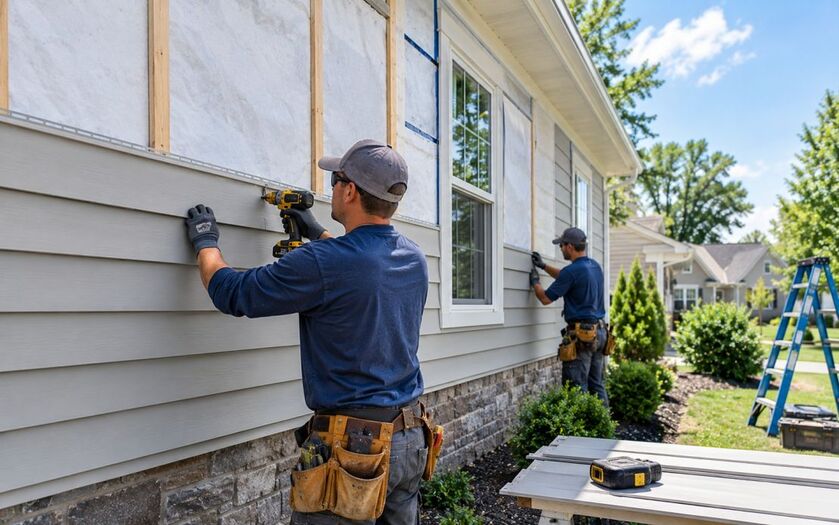
Siding Construction in Delaware County: A Practical Guide for Homeowners
What to know before choosing a contractor, selecting materials, and committing to one of the most significant exterior investments a home requires.

For homeowners across Delaware County, siding construction is rarely a straightforward decision. The project touches on structural integrity, energy efficiency, long-term maintenance costs, and curb appeal all at once, and the contractor chosen to handle it will determine how well those elements come together for the next two decades. Siding construction in Delaware County involves a specific set of considerations shaped by local climate, housing stock, and the wide variation in contractor quality across the region. Understanding what actually matters before signing anything is the most valuable preparation any homeowner can do.

Why Siding Becomes a Priority and What Drives the Decision

Most homeowners do not start thinking seriously about siding until something visible prompts the conversation. A section of warped paneling after a rough winter, paint that no longer adheres properly to aging wood, or a utility bill that has crept steadily upward without a clear explanation are all common triggers. In Delaware County communities like Havertown, Springfield, and Broomall, where a significant portion of the housing stock dates to the mid-twentieth century, these moments arrive on a fairly predictable schedule.

What many homeowners do not realize until they begin researching is that the visible symptoms of siding failure are almost always behind the actual timeline of deterioration. Siding that looks worn on the surface has typically been allowing moisture to work behind it for longer than the exterior suggests. Water that penetrates through failing seams, cracked panels, or compromised flashing around windows and doors finds its way into wall cavities where it damages insulation, promotes mold growth, and softens structural sheathing without producing any obvious interior signs until the damage is already significant.

The energy performance dimension is equally underappreciated. Siding that has lost its integrity as part of the building envelope creates pathways for conditioned air to escape in summer and cold air to infiltrate in winter. The result is a home that costs more to heat and cool year-round, often by a margin large enough to factor meaningfully into the return-on-investment calculation for a siding replacement project.

Siding construction in Delaware County that is approached proactively rather than reactively almost always produces a better financial outcome. The cost of replacing siding before underlying damage develops is consistently lower than replacing siding after moisture has compromised the wall assembly behind it.

What to Look for When Evaluating Siding Contractors

The contractor selection process is where most siding projects succeed or fail before a single panel is installed. Delaware County homeowners evaluating their options should look past advertising and focus on the factors that actually predict a quality installation and a trouble-free experience.

Local experience is among the most meaningful indicators. A contractor who has worked consistently across communities like Newtown Square, Wynnewood, and Radnor understands the specific housing configurations, common underlying construction methods, and material performance patterns that define the area. That knowledge informs better decisions at every stage of a project, from substrate preparation to flashing details to material selection for a given exposure and orientation.

Certifications matter and are worth verifying. GAF Master Elite® status, for example, is awarded to only the top 3% of contractors in the country and requires demonstrated installation quality rather than simply a paid membership. While it originates in roofing, it reflects a company-wide standard that carries through to other services including siding construction in Delaware County. Contractors who hold verifiable credentials from recognized industry bodies have been evaluated by someone other than themselves, which is a meaningful distinction.

Homeowners comparing multiple bids should also pay close attention to what each estimate actually includes. A low bid that omits moisture barrier replacement, proper flashing installation, or trim detailing is not a competitive price. It is a different scope of work that will produce a different result. Asking each contractor to specify exactly what is and is not included before comparing numbers is the only way to evaluate bids on equal terms.

For homeowners who also need a deck contractor in west chester county, evaluating full-service contractors who handle multiple exterior trades can simplify coordination significantly and reduce the number of separate contractor relationships to manage.

What Separates Consistently Good Outcomes From Problem Projects

The difference between a siding project that performs well for twenty years and one that develops problems within five almost always comes down to installation quality rather than material choice. Premium siding installed incorrectly will underperform basic material installed with proper technique every time.

This is why the installation team's experience and the company's accountability structure matter as much as the product being specified. A contractor who uses experienced crews, maintains consistent supervision, and stands behind completed work with a meaningful labor warranty is a fundamentally different proposition from one who subcontracts to the lowest available crew and moves on quickly to the next job.

Hynes Construction is one example of a contractor in the Greater Philadelphia area that has maintained a consistent local presence for over 50 years, serving communities across Delaware County and the Main Line with the same crew standards and quality expectations across all of their services. For homeowners doing their research, that kind of longevity in a single market is worth noting as one data point among several.

Beyond any individual contractor, the broader principle holds: verify credentials independently, ask for references from projects completed in the past two to three years in the local area, and read written warranties carefully before signing anything. A contractor confident in their work will not hesitate to provide all of this.

Understanding the Installation Process Before Work Begins

Knowing what a well-run siding project actually looks like from start to finish helps homeowners recognize when things are going as they should and when to ask questions.

A legitimate contractor begins with a thorough assessment of the existing siding and the wall assembly behind it. This step matters because the condition of the substrate determines how much preparation work is needed before new material goes on. Skipping or rushing this assessment is one of the most common ways installation problems develop later.

Material selection follows, and a qualified contractor should be able to walk through the tradeoffs between available options, including vinyl, fiber cement, engineered wood, and other products, in terms of durability, maintenance requirements, aesthetic options, and performance in the local climate. Delaware County's combination of humid summers and cold winters with significant freeze-thaw cycling creates specific performance demands that not all products meet equally well.

Forsiding construction in Delaware County that is handled properly, the installation sequence includes moisture barrier preparation, proper flashing at all penetrations and transitions, panel installation to manufacturer specifications, and careful attention to trim and finishing details that determine both appearance and weatherproofing performance. A final walkthrough gives homeowners the chance to confirm that every element has been completed as agreed before the project is considered finished.

Making a Confident Decision on Siding Construction in Delaware County

Siding construction in Delaware County is a significant investment that will affect a home's performance, protection, and appearance for the next two decades. The homeowners who get the best outcomes are consistently those who take the time to understand what the project actually involves, evaluate contractors on substance rather than price alone, and ask specific questions before committing to anyone.

The right contractor brings verifiable local experience, proper credentials, transparent pricing, and a clear process from assessment through completion. Those qualities are findable in this market with the right approach to the search.

For homeowners ready to move forward, visiting hynesconstruction.com or calling (610) 890-6379 is one option worth including in that research process. For Delaware County homeowners who want siding done properly the first time, the search starts with knowing exactly what to look for.

Read full Article
post photo preview
Landscape Design Services: What to Expect From the Process
Considering landscape design services? Here's how the process works, from site assessment to a finished plan.

Hiring landscape design services for the first time often comes with a strange mix of excitement and confusion. Homeowners know they want their yard to look and function better, but most have never been through the actual process and aren't sure what happens between the first phone call and a finished plan.

That uncertainty leads to a lot of mismatched expectations. Some homeowners expect a designer to show up, glance at the yard, and hand over a plan on the spot. Others assume the process is mostly about picking plants, when in reality plant selection is usually one of the last steps, not the first.

Understanding what a proper design process actually involves makes it much easier to evaluate whether a company is doing thorough work or rushing through a template.

Landscape design services generally follow a similar sequence regardless of company size, though the depth of each step varies. Knowing what to expect at each stage helps homeowners ask better questions and spot shortcuts before they become expensive problems later.

The Initial Site Assessment

Before any design work begins, a proper process starts with walking the actual property. This means noting sun exposure at different times of day, existing drainage patterns, soil type, mature trees, and how the homeowner currently uses, or avoids using, different parts of the yard.

Skipping this step and jumping straight to sketches is one of the clearest signs of a rushed process. Site conditions drive nearly every decision that follows, from which plants will actually thrive to where a patio can be safely built without drainage issues.

Turning Observations Into a Concept Plan

Once site conditions are documented, the next step is a concept plan, a rough layout showing how different zones of the property will function. This is where hardscape designers and landscape designers often work together, since patios, walkways, and retaining walls need to be placed before plant beds can be designed around them.

A good concept plan treats the whole property as one connected system rather than a series of separate features. The goal at this stage isn't finished detail, it's making sure the overall flow and function make sense before investing time in specifics.

Selecting Plants for the Region's Climate and Soil

Once the structural layout is set, plant selection comes next, and this is where local knowledge matters most. The Main Line's clay heavy soil and Pennsylvania's freeze thaw winters limit which plants will actually thrive without constant babying, regardless of how good they look in a catalog.

Regionally adapted and native species tend to establish faster and need less ongoing intervention. A design that ignores mature size or soil compatibility often looks great on paper but requires far more maintenance, or replacement, within a few years.

Where Drainage Fits Into the Design

Drainage planning should happen alongside the structural layout, not as an afterthought once plants are already chosen. Grading, swales, and strategic placement of hardscape elements all affect how water moves across a property, and getting this wrong is one of the most common and expensive mistakes in residential landscaping.

Professionals who coordinate closely with hardscape designers during the planning phase tend to catch drainage issues before construction starts, rather than discovering them after a heavy rain reveals a problem.

Phasing the Project and Managing Costs

Full property redesigns rarely happen in a single season, and a solid design process accounts for that from the start. A well built master plan can be broken into phases, tackling the highest impact areas first and expanding over subsequent years as budget allows.

This approach also lets plants mature between phases, so later additions can be chosen to complement what is already established rather than guessing at a finished look years in advance. Firms like Greenstone Gardens, which have handled projects across a range of property sizes in this region, often walk clients through exactly this kind of phased approach rather than pushing for a single expensive project.

Frequently Asked Questions

How long does the landscape design process typically take?
The design phase alone often takes a few weeks depending on property size and complexity. Full installation timelines vary widely based on scope and whether the project is phased over multiple seasons.

Do landscape design services include installation, or just planning?
This depends on the company. Some offer design only, while others, particularly full service hardscape designers, handle both planning and installation as one continuous process.

What information should I have ready before meeting with a designer?
It helps to have a general sense of budget, priority areas, and how you actually use, or want to use, different parts of the property. Photos of styles you like are useful too, though the designer will still need to assess your specific site conditions.

Can landscape design services address existing drainage problems?
Yes, and this is often one of the primary reasons homeowners seek out design services in the first place. A proper site assessment should identify drainage issues early and build solutions directly into the overall plan.

Final Thoughts

A thorough design process takes more time upfront than simply buying plants and hoping they work together, but it consistently prevents the costly trial and error that comes from skipping straight to installation. Understanding each stage, from site assessment through phased execution, makes it much easier to evaluate whether a company is doing real design work or just selling a template.

If you're comparing landscape design services for an upcoming project, ask specifically how a company handles site assessment and drainage before discussing plant choices or style.Greenstone Gardens, a family owned landscaping and hardscaping contractor serving Wayne, Newtown Square, and the surrounding Main Line region, builds its design process around exactly these local site conditions.

Read full Article
Available on mobile and TV devices
google store google store app store app store
google store google store app tv store app tv store amazon store amazon store roku store roku store
Powered by Locals